
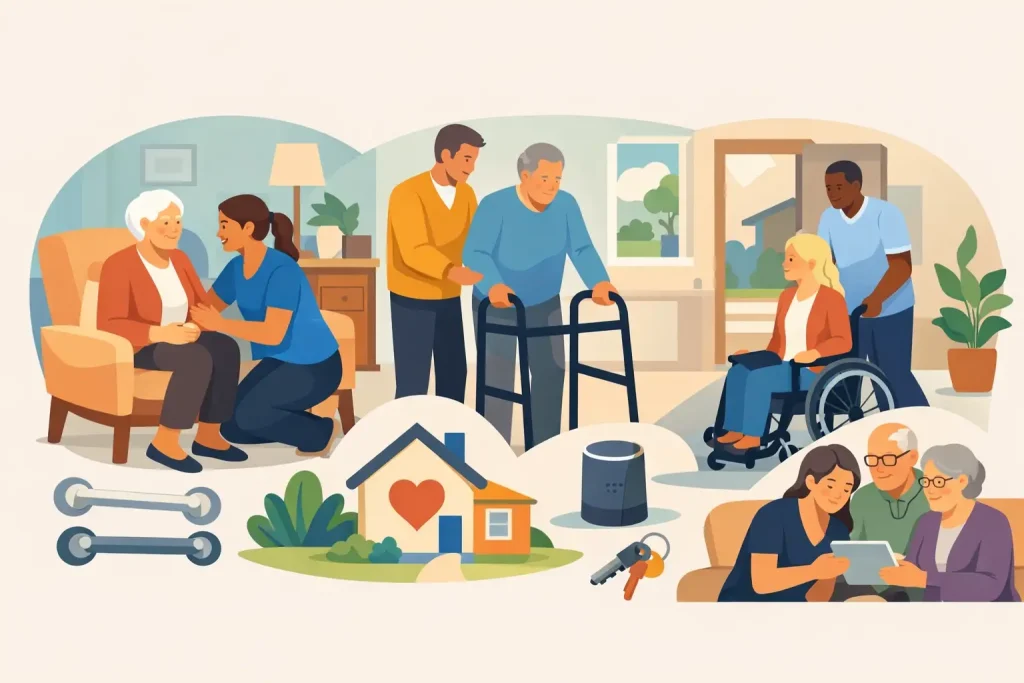
A small rug that curls at the corner, a missed dose of medication, or one difficult step at the front door can change daily life faster than many families expect. When people ask how to support safe aging, they are often really asking how to protect a loved one’s health, independence, and dignity without making home feel clinical or restrictive.
For most older adults, safety is not just about preventing emergencies. It is about making everyday routines easier, reducing stress, and preserving confidence. The right support can help someone remain at home longer, stay connected to their community, and feel more in control of their day. That support usually works best when it is thoughtful, consistent, and tailored to the person rather than based on assumptions about age alone.
How to support safe aging starts with the home
A safer home does not always require major renovations. In many cases, the most effective changes are simple ones that remove friction from daily routines. Clear walkways, secure handrails, non-slip bathroom surfaces, and good lighting can make a meaningful difference. Bedrooms, bathrooms, and entryways deserve special attention because they are common sites for falls and near misses.
It also helps to look at the home through the eyes of the person living there. A chair may be comfortable but too low to stand from safely. A favorite lamp may provide warm light but not enough visibility for reading labels or walking at night. Kitchens may be familiar, yet frequently used items might be stored too high or too low, creating unnecessary strain.
There is a balance to strike here. Some families want to change everything at once, but too much change can feel upsetting or disorienting. It is often better to start with the areas that affect daily safety first, then add improvements gradually so the home still feels familiar and comfortable.
Fall prevention is about more than clutter
Falls are one of the biggest concerns in aging, but preventing them goes beyond picking up loose items off the floor. Strength, balance, vision, footwear, medication side effects, and health conditions all play a role. Someone may have a clean and organized home and still be at risk if they feel weak when standing, rush to the bathroom at night, or become dizzy after taking medication.
That is why it helps to think of fall prevention as a whole-person issue. Support with transfers, walking, bathing, and stairs may be needed at one stage, while later support may also include more hands-on supervision. For some people, a cane or walker improves confidence. For others, the better solution is changing the environment and daily routine so they do not need to hurry or overreach.
Daily routines help support safe aging
A predictable daily rhythm can make life safer and less stressful. Meals at regular times, medication reminders, hydration, bathing support, and consistent sleep habits can all reduce confusion and lower risk. Routine is especially helpful for older adults recovering from surgery, living with chronic illness, or managing memory changes.
Families sometimes focus on big medical events and miss the value of ordinary structure. Yet skipped meals, poor sleep, and missed medications often create the conditions for weakness, falls, or hospital readmission. Safe aging is supported in the small moments – getting dressed without rushing, using the bathroom with enough assistance, or having someone nearby who notices when something seems off.
At the same time, routine should not become rigid. People still need choices. Being safe should not mean giving up preferred mealtimes, favorite activities, or privacy. The goal is to support the person’s life, not take it over.
Medication safety deserves close attention
Medication mistakes are common, especially when prescriptions change after a hospital stay or specialist visit. Similar-looking pill bottles, changing instructions, and memory issues can all lead to missed doses or accidental double doses. Even when medication is taken correctly, side effects such as dizziness, drowsiness, or confusion can affect safety.
A current medication list, clear reminders, and regular review with healthcare providers can help prevent problems. It also helps when one trusted person keeps track of changes and communicates them clearly. If multiple family members are involved, confusion can happen quickly unless everyone is working from the same plan.
Medication support can range from simple reminders to closer supervision, depending on the person’s needs. What matters most is recognizing that medication management is not a minor detail. It is a key part of safe aging at home.
How to support safe aging without taking away independence
One of the hardest parts of caregiving is knowing when to step in and when to step back. Many older adults value privacy and self-sufficiency deeply, and understandably so. Safety conversations can feel personal because they touch on identity, not just practical needs.
A respectful approach usually works better than a controlling one. Instead of saying, “You can’t do that anymore,” it may help to say, “How can we make this easier and safer for you?” That small shift keeps dignity at the center. It also invites collaboration rather than resistance.
Independence is not all or nothing. Someone may still manage personal decisions, enjoy community activities, and take part in household routines while needing help with bathing, mobility, or meal preparation. Support should be matched to actual need, with room to adjust over time.
Social connection is part of safety too
Safe aging is often discussed in physical terms, but emotional wellbeing matters just as much. Isolation can affect appetite, mood, sleep, memory, and motivation. A person who feels lonely may move less, eat less, and pay less attention to self-care. Over time, that can increase health risks.
Regular companionship, conversation, and community involvement help people stay engaged and oriented. This may come from family visits, faith communities, neighbors, structured day programs, or one-on-one support. For adults with disabilities and seniors alike, meaningful social connection supports both confidence and overall quality of life.
There is no single right amount of social activity. Some people enjoy frequent outings, while others prefer a quiet routine with a few trusted visitors. The point is not to stay busy for the sake of it. It is to make sure the person remains connected, seen, and supported.
Family caregivers need support too
Many families begin caregiving gradually. A ride to an appointment becomes help with groceries, then medication reminders, then regular hands-on assistance. Because the change happens over time, caregivers often do not notice how much responsibility they are carrying until they feel exhausted.
Fatigue affects decision-making, patience, and consistency. When caregivers are stretched too thin, safety can suffer for everyone involved. Respite, shared responsibilities, and outside support are not signs of failure. They are part of a realistic care plan.
This is especially true when care needs become more complex after surgery, during illness, or when supervision is needed throughout the day. Professional home care can help fill gaps while allowing families to remain involved in a sustainable way. For many households, that combination offers the best balance of safety, dignity, and peace of mind.
Watch for signs that more support is needed
Sometimes the need for help is obvious after a fall or hospital discharge. More often, it shows up in quieter ways. Spoiled food in the refrigerator, missed appointments, poor hygiene, bruises with unclear explanations, increased confusion, or unopened mail may all signal that the current routine is no longer enough.
Trust your observations, but stay open-minded. A sudden change may point to a medical issue rather than simple aging. New weakness, confusion, or changes in behavior should not be brushed aside. When something changes quickly, medical guidance is important.
If the issue is ongoing rather than sudden, it may be time to bring in more structured support. Personal care, mobility assistance, supervision, companionship, and caregiver relief can all help someone remain safer at home while reducing pressure on the family.
For families in New Jersey, especially after a hospital discharge or during a period of increased need, working with a dependable home care team can make these transitions feel more manageable.
Safe aging is rarely created by one big decision. It grows from many thoughtful choices that protect health while honoring the person’s preferences, routines, and dignity. The most effective support does not just reduce risk. It helps home continue to feel like home.