
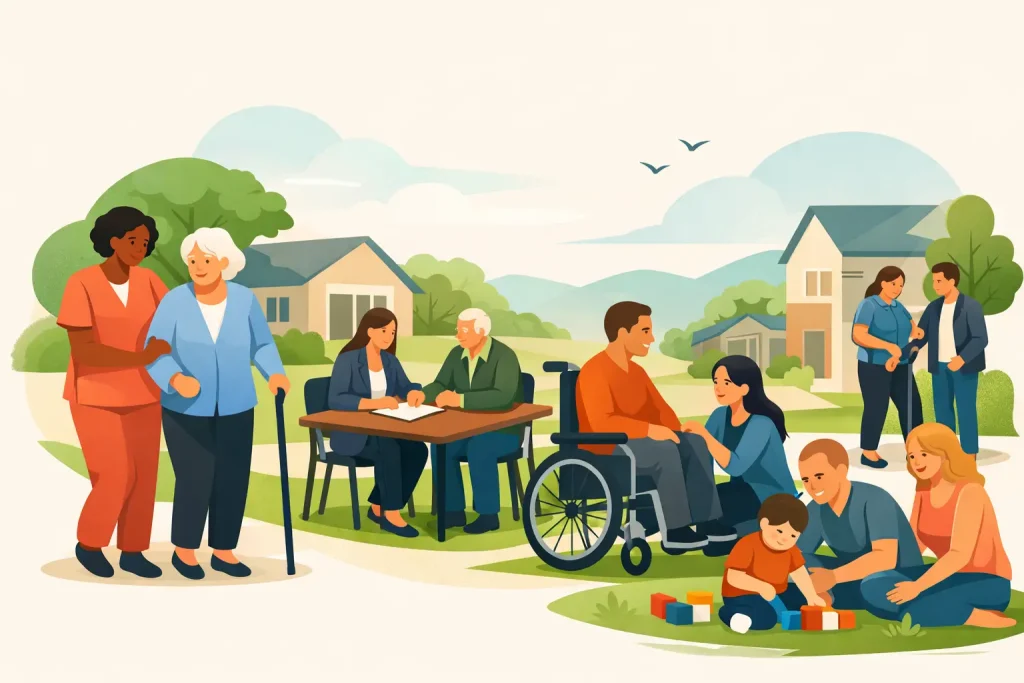
A hospital discharge date, a recent fall, or a caregiver who is running on empty can make care decisions feel urgent. Essex County home care planning gives families a way to slow the moment down, understand what support is actually needed, and create a plan that protects both safety and independence.
The best plan is rarely based on one diagnosis or one difficult day. It considers the person’s daily routine, abilities, preferences, home environment, family availability, and the support that may be needed as circumstances change. For many families in Newark, Irvington, East Orange, South Orange, and nearby communities, that preparation can make it easier for a loved one to remain in the place that feels most familiar.
Start With the Person’s Daily Life
Home care planning should begin with a respectful conversation, not a checklist alone. Ask what a typical morning, afternoon, and evening look like. Notice where routines have become difficult, frustrating, or unsafe. A person may be able to manage many parts of the day independently but need help getting in and out of the shower, preparing meals, remembering medications, or traveling to appointments.
It also helps to ask what matters most to the individual. One person may prioritize staying connected to a faith community or visiting neighbors. Another may want help with personal care while continuing to prepare favorite meals independently. A thoughtful plan supports ability rather than taking over tasks a person can still do safely.
For adults with developmental disabilities, planning may also include opportunities for skill-building, community participation, supervision, and meaningful routines. Families, guardians, and support coordinators can work together to identify support that respects the person’s goals while providing appropriate assistance.
Identify the Gaps Before a Crisis Happens
Families often recognize a need for help after a major event, but smaller changes deserve attention too. Unopened mail, missed meals, repeated medication reminders, difficulty keeping up with laundry, or increased isolation can signal that daily life is becoming harder to manage.
Consider these areas together:
- Personal care, including bathing, dressing, grooming, toileting, and mobility
- Meals, hydration, grocery shopping, and light housekeeping
- Medication reminders and appointment or errand support
- Safety supervision, companionship, and relief for family caregivers
- Transportation needs and participation in the community
The right level of care depends on the situation. Someone recovering from surgery may need short-term assistance for a few hours a day while strength returns. A senior living with memory changes may need more regular safety supervision. A family caregiver may only need planned respite once or twice each week, yet that consistent break can help prevent burnout.
Build an Essex County Home Care Plan Around Real Schedules
A care plan is more useful when it fits real life. Think about when help is needed most, rather than assuming support must happen all day. Morning care may be essential for a person who needs assistance bathing, dressing, or safely starting the day. Evening visits may be more helpful for meal preparation, medication reminders, and settling in safely for the night.
Families should also account for work schedules, school commitments, medical appointments, and the availability of relatives who provide care. Being honest about those limits is not a failure. It is a practical step toward dependable support.
Write down the core details that a caregiver should know: preferred routines, mobility needs, food preferences, allergies, communication styles, emergency contacts, and any changes that should be reported to family or a care coordinator. Keep the plan clear enough that everyone involved understands their role.
Make the Home Safer Without Making It Feel Institutional
A home assessment does not have to mean major renovations. Small changes can lower risk and make everyday tasks less stressful. Clear pathways, secure rugs, adequate lighting, a shower chair, grab bars, and frequently used items placed within reach can all make a meaningful difference.
Safety planning should be personal. For a client who has limited mobility, the focus may be preventing falls during transfers. For someone with cognitive changes, it may involve supervision around the stove, doors, or medications. For an individual receiving DDD services, it may include support with routines, community activities, and safe decision-making.
It is also wise to plan for unexpected situations. Families should know who will check in during severe weather, what happens if a regular caregiver is unavailable, and where important medical information is kept. A simple emergency plan can bring reassurance long before it is needed.
Talk Clearly About Payment and Care Options
Cost questions are often among the first concerns, and they deserve direct answers. Some families arrange private-pay care, while others may qualify for Medicaid-supported services or DDD-funded supports. Eligibility, approved hours, and available programs can vary, so it is helpful to ask early about what options may apply.
The goal is not simply to find the most hours of care. It is to find the right support arrangement for the person and family. In some cases, a few scheduled visits each week provide enough help. In others, more frequent care is appropriate because of physical needs, recovery requirements, or caregiver strain.
Hospital discharge planners, social workers, physicians, support coordinators, and home care providers can each offer useful guidance. Families should feel comfortable asking what services are included, how care needs are reassessed, and how concerns are communicated. Clear expectations build trust from the beginning.
Include Documents and Decision-Making in the Plan
Care planning is not only about hands-on support. It can also involve making sure important documents are organized and accessible. Depending on the family’s circumstances, this may include healthcare directives, powers of attorney, insurance information, discharge paperwork, or other forms that require notarization.
These conversations can feel uncomfortable, especially when a loved one is still active and involved. Yet planning while the person can share their preferences is an act of respect. It helps families understand who can make decisions, what care choices matter most, and how to respond if health needs change.
When notarization is needed, mobile notary services can be especially helpful for people who have limited mobility, are recovering at home, or cannot easily travel. The notary’s role is to verify identity and witness the signing process, not to provide legal advice. Families with legal questions should speak with a qualified attorney.
Choose Care That Feels Dependable and Respectful
Inviting a caregiver into the home is a personal decision. Beyond services offered, families should look for professionalism, communication, reliability, and a genuine respect for the client’s dignity. The caregiver should understand that personal care, companionship, and safety support are not just tasks. They affect how someone feels in their own home.
It is reasonable to ask how caregivers are matched, how schedules are managed, what happens if care needs change, and who to contact with concerns. A strong provider will welcome those questions and communicate clearly with clients, families, guardians, and referral partners.
Comfort Zone Home Healthcare supports New Jersey families with home care, respite, DDD services, and mobile notary support designed around individual needs. The focus remains on helping people receive respectful assistance while maintaining comfort, routine, and connection to their community.
A care plan does not need to predict every future change. It simply needs to give your family a steadier place to begin. One thoughtful conversation now can make the next decision feel less overwhelming and help a loved one continue living with greater comfort and confidence.