
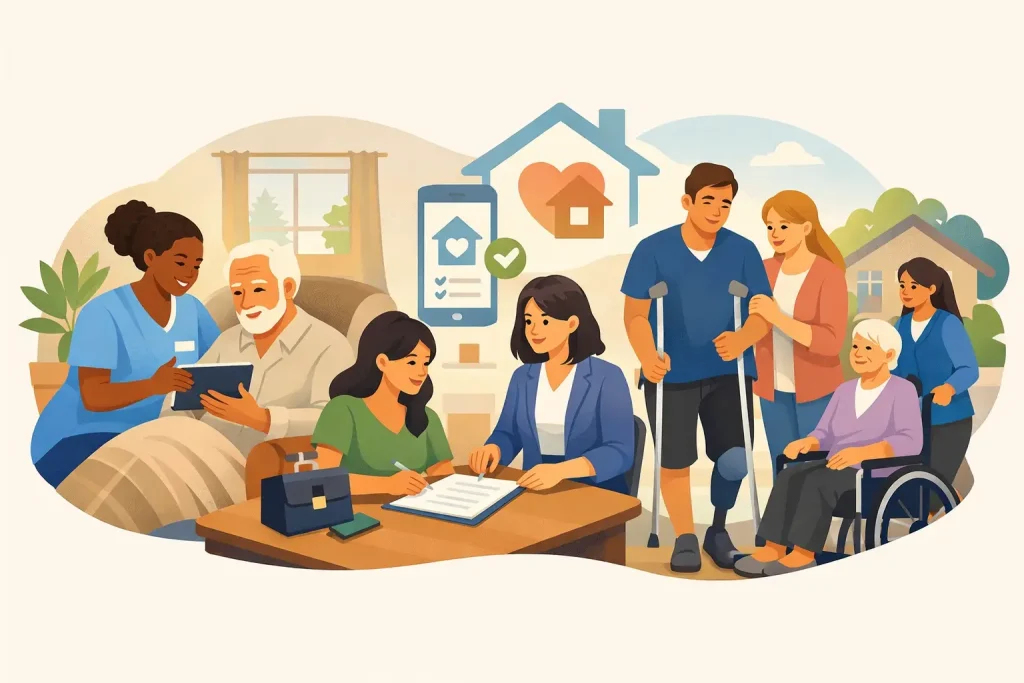
The first few days at home after surgery, illness, or a hospital stay can feel longer than expected. A trip from the bed to the bathroom may suddenly require help. Meals, bathing, medication schedules, and follow-up appointments can quickly become overwhelming for both the person recovering and the family trying to help. That is why a clear guide to in-home recovery support matters – it turns a stressful transition into a safer, more manageable plan.
Recovery at home can be deeply beneficial. Most people rest better in familiar surroundings, sleep more comfortably in their own bed, and feel more at ease when daily routines are preserved. At the same time, home recovery is not automatically simple. It works best when support is matched to the person’s condition, mobility, pain level, and ability to manage daily tasks.
What in-home recovery support really includes
In-home recovery support is not just about having someone stop by and check in. It often means practical help with the activities that become difficult during healing. That can include assistance with bathing, dressing, grooming, toileting, walking safely through the home, meal preparation, medication reminders, light housekeeping, and transportation or escort support for follow-up care.
For some people, support is needed only for a short period after a planned surgery. For others, recovery is less predictable. A senior returning home after a hospitalization, an adult managing a serious illness, or a medically fragile client may need a longer period of hands-on assistance and supervision. The right level of care depends on how much strength, balance, stamina, and judgment the person has from day to day.
Emotional support also plays a real role in healing. People recovering at home may feel frustrated by limitations, embarrassed to ask for help, or anxious about falling behind in their progress. Calm companionship, encouragement, and respectful care can reduce stress and help the person stay engaged in recovery.
A guide to in-home recovery support starts with the discharge plan
The best home recovery plans begin before the person arrives home. Hospital or rehab discharge instructions usually explain medications, wound care, dietary needs, activity restrictions, follow-up appointments, and warning signs to watch for. Families should not feel pressured to absorb all of this at once without asking questions.
If instructions are unclear, ask for them to be explained in plain language. It helps to know who is responsible for each part of care. One person may manage appointment scheduling, another may handle meals, and a professional caregiver may assist with personal care and mobility. When responsibilities are left vague, small gaps can become serious problems.
It is also wise to confirm whether the person will need equipment such as a walker, shower chair, bedside commode, grab bars, or a raised toilet seat. These items are not details to figure out later. They can shape whether the home is safe enough for recovery from day one.
Preparing the home for a safer recovery
A healing environment should support rest, movement, and dignity. That usually means simplifying the space. Clear pathways reduce the risk of falls. Frequently used items should be within easy reach. Good lighting matters, especially for nighttime trips to the bathroom. Loose rugs, electrical cords, and clutter should be removed from walking areas.
The bathroom often needs the most attention because it combines slippery surfaces with tasks that require balance and privacy. If bathing or toileting is difficult, even a short period without proper support can lead to injury or loss of confidence. The bedroom setup also matters. A person should be able to get in and out of bed without straining excessively or needing unsafe movements.
Families sometimes underestimate how tiring ordinary tasks become during recovery. Standing long enough to prepare food, climbing stairs, or stepping over a tub edge may be unrealistic for a while. A temporary setup on one floor of the home can be the better option when mobility is limited.
Matching support to the person, not just the diagnosis
Two people with the same procedure can have very different recoveries. One may need only medication reminders and help with errands for a week. Another may need hands-on support with bathing, dressing, walking, and safety supervision for much longer. Age, strength, cognitive status, pain control, and the presence of other health conditions all affect what recovery looks like.
This is where families often face an important trade-off. They want to encourage independence, which is healthy and appropriate, but too much independence too soon can increase risk. The goal is not to do everything for the person. The goal is to support what they can do safely while stepping in where help is genuinely needed.
That balance can be especially important for older adults and people with disabilities. Recovery support should protect dignity, not take it away. Respectful caregivers understand how to assist without rushing, overpowering, or making the client feel helpless.
When family help is enough and when professional support makes sense
Family caregivers are often the first line of support, and their role is invaluable. Still, love and willingness do not replace training, stamina, or availability. A spouse may be unable to assist with transfers safely. An adult child may have work and children of their own. A relative who lives nearby may help with groceries but not be prepared for personal care tasks.
Professional in-home recovery support can fill those gaps. It may involve short-term care after surgery, extra support after hospital discharge, or ongoing assistance when recovery is complicated by disability or frailty. Professional caregivers can help maintain routines, reduce fall risks, and relieve families who are trying to juggle too much at once.
There is no single right answer for every household. Some families need only a few hours of help each week. Others benefit from daily support, respite care, or more structured supervision. What matters is choosing a plan that is realistic, not idealized.
Signs that more support may be needed
Sometimes the need for help becomes obvious only after the person has already returned home. They may miss medications, skip meals, avoid bathing, or struggle to move around safely. They may become confused, unusually weak, or fearful of being alone. Family caregivers may also notice their own limits through exhaustion, missed work, or concern that they cannot safely manage transfers or personal care.
These signs should not be treated as failure. They are indicators that the recovery plan needs to be adjusted. More support at the right time can prevent setbacks, reduce stress, and help the person remain at home instead of returning to the hospital.
Choosing an in-home recovery provider
When families look for support, trust matters as much as services offered. A good provider should communicate clearly, explain what kinds of assistance are available, and respect the client’s preferences and routines. Families should feel comfortable asking how caregivers are matched, how schedules are handled, and how changes in condition are communicated.
It also helps to look for a provider that understands different kinds of clients, from seniors and post-surgical adults to individuals with developmental disabilities or medically fragile needs. Recovery support is rarely one-size-fits-all. Some clients need companionship and reminders. Others need hands-on assistance, closer supervision, and coordination with family or care teams.
For families in New Jersey, working with a community-centered provider such as Comfort Zone Home Healthcare can offer reassurance because care is built around dignity, comfort, and dependable support in the home.
Why the best guide to in-home recovery support is personal
The strongest recovery plans are not just medically sound. They are practical for real life. They consider who is available, what the home environment is like, how comfortable the person feels accepting help, and how recovery may change from week to week. A plan that looks fine on paper may still fail if it asks too much of one exhausted family member or overlooks basic safety needs.
Good in-home recovery support creates room for healing. It helps people rest, maintain hygiene, eat regularly, get to appointments, and move more safely through each day. Just as importantly, it helps families stop operating in crisis mode and start feeling grounded again.
If you are planning for recovery at home, start with honesty. Look closely at what the person can do, what help is truly needed, and where extra support could prevent strain or setbacks. The right care does not take independence away – it gives recovery a steadier path forward.