
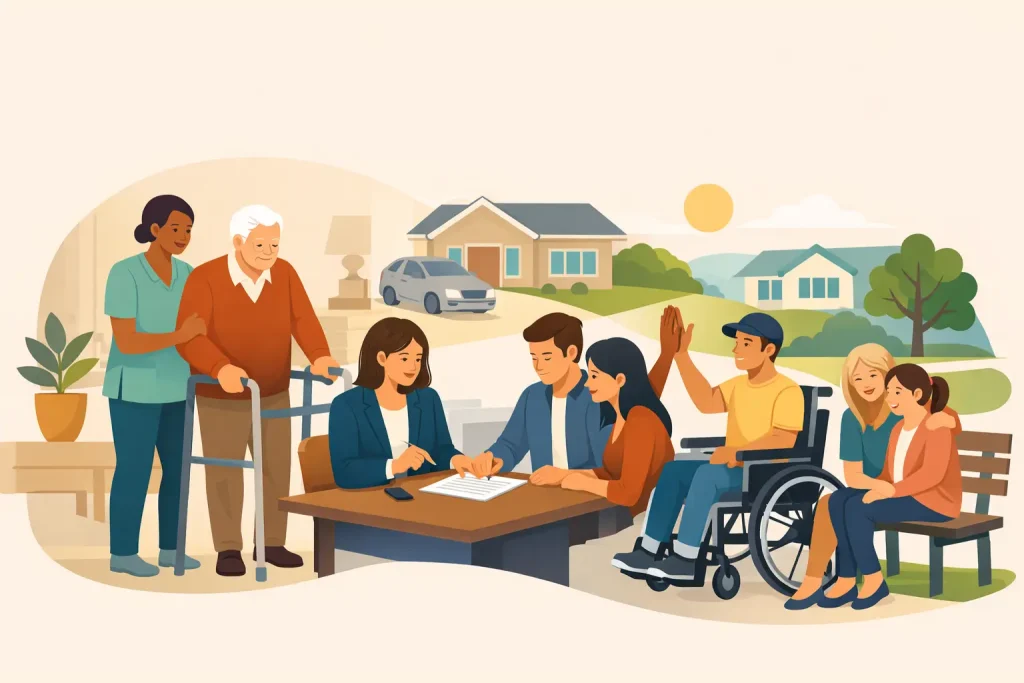
A good support plan should make daily life feel more possible, not more complicated. For individuals and families seeking Passaic disability support services, the right help may mean greater independence at home, meaningful time in the community, and reassurance that someone understands the person behind the care plan.
Needs can look very different from one household to the next. One person may need guidance with meals, hygiene, transportation, or safety supervision. Another may be ready to focus on social connections, employment-related routines, or learning to manage a more independent schedule. Families may also need reliable respite so they can rest, work, attend appointments, and sustain their own well-being.
What Passaic Disability Support Services Can Include
Disability support is not one service or one fixed schedule. It is a person-centered approach that helps adults with developmental disabilities participate in daily life with appropriate assistance, encouragement, and respect.
For eligible New Jersey Division of Developmental Disabilities, or DDD, participants, supports may include Individual Supports, Community-Based Supports, Community Inclusion, and Respite. The specific services available depend on the individual’s approved plan, assessed needs, funding, and provider availability. A support coordinator can help the individual, family, or guardian understand which options may fit the plan.
Individual Supports often take place in the person’s home or another setting where one-on-one assistance is helpful. This may involve support with morning and evening routines, meal preparation, personal care reminders, household tasks, appointment organization, mobility, and safe decision-making. The goal is not to take over. It is to provide the amount of help needed while preserving choice and building confidence.
Community-Based Supports and Community Inclusion can help a person take part in the places and activities that matter to them. That could include visiting a library, attending a class, joining a recreation program, shopping for groceries, volunteering, practicing public transportation skills, or simply spending time in the community safely. Meaningful community participation looks different for everyone. For some, a busy group activity is enjoyable. For others, a quiet outing with a trusted support professional is a better fit.
Respite provides planned, temporary relief for family caregivers. It can be especially valuable when a caregiver has competing responsibilities, needs time to recover, or wants to protect their own health. Asking for respite is not stepping away from care. It is a practical way to help caregiving remain sustainable.
Choosing Support That Respects the Person
The best provider relationship begins with listening. Before services start, families and guardians should feel comfortable discussing the individual’s routines, preferences, communication style, health considerations, goals, and what a successful day looks like. A plan that works on paper may not work well if it ignores the person’s personality or familiar routines.
For example, someone who becomes overwhelmed in crowded settings may benefit from smaller, predictable community outings. A person who wants to become more independent with cooking may need hands-on guidance and safety supervision rather than having meals prepared for them. Someone with limited verbal communication may need staff who are patient, observant, and willing to learn how they express comfort, choices, and concerns.
Consistency matters as much as the service category. Familiar, dependable support can reduce anxiety and make it easier for an individual to practice skills over time. At the same time, flexibility is necessary. Support needs can change after a medical appointment, a move, a family change, or a shift in personal goals. A provider should communicate clearly when adjustments are needed and involve the individual and their support network in those decisions.
Questions Families and Guardians Can Ask
A thoughtful conversation with a prospective provider can reveal a great deal. Ask how staff are matched with clients, how the agency communicates with families and support coordinators, and how concerns are handled. It is also reasonable to ask how staff support dignity during personal care, encourage community participation, and respond when a routine changes.
Families may want to discuss practical details early, including preferred service times, transportation needs, mobility support, dietary considerations, medication reminders, and supervision needs. Clear expectations help prevent misunderstandings later. They also give staff the information needed to provide safer, more personal care from the start.
Balancing Independence and Safety at Home
Many families worry that accepting support will reduce a loved one’s independence. In reality, the right support can protect and strengthen it. Independence is not always doing every task alone. It can mean having the tools, guidance, and time to make choices and take part in one’s own life.
A support professional might stand nearby while someone practices preparing lunch, offer reminders during a grooming routine, or accompany an individual to a community activity while encouraging them to speak for themselves. These small moments can build skills without creating unnecessary dependence.
Safety still deserves careful attention. Some individuals may need closer supervision due to fall risk, wandering concerns, medical fragility, difficulty recognizing hazards, or challenges during transitions. The appropriate level of support depends on the person, the setting, and the activity. A good plan does not assume either complete independence or constant intervention. It finds a respectful balance.
For adults who also need non-DDD home care, assistance may include bathing, dressing, toileting, mobility support, meal preparation, light housekeeping, errands, companionship, and safety supervision. These services can be especially helpful for someone recovering from surgery, managing a chronic condition, or experiencing changes in mobility alongside a disability.
Making Community Participation Meaningful
Community participation should never be treated as simply filling hours on a schedule. It should reflect the individual’s interests, culture, goals, and comfort level. A meaningful outing may be as simple as choosing groceries, getting a haircut, visiting a relative, or practicing how to order at a favorite restaurant.
Progress often comes through repetition. A person may need several visits to become comfortable with a new location, staff member, or activity. Families should look for providers who value that process instead of measuring success only by how many activities are completed in a day.
It also helps to think beyond organized programs. Building a routine around everyday life can create real confidence. Taking a walk in a familiar neighborhood, managing a small purchase, selecting ingredients for dinner, or greeting a neighbor can all support social connection and practical skills.
Working With the Whole Support Team
Strong disability services rely on communication among the individual, family or guardian, support coordinator, provider staff, and other professionals when appropriate. Each person may notice something different. A family member may recognize a change in mood. A direct support professional may see a new skill emerging during an outing. A coordinator can help connect those observations to the service plan.
Communication should be timely, respectful, and centered on the individual’s privacy and preferences. Families deserve to know about significant concerns, but adults receiving services should also be included in conversations about their own support whenever possible. Respectful care means treating the person as an active participant, not a bystander.
Comfort Zone Home Healthcare approaches DDD and in-home support with this same focus on dignity, reliability, and individualized care. For families in Passaic County and throughout New Jersey, dependable support is about more than completing tasks. It is about helping each person feel safe, valued, and connected to the life they want to lead.
The right services should bring more calm to the household while making room for growth. Start with the person’s goals, ask clear questions, and choose support that honors both their independence and their need for care.