
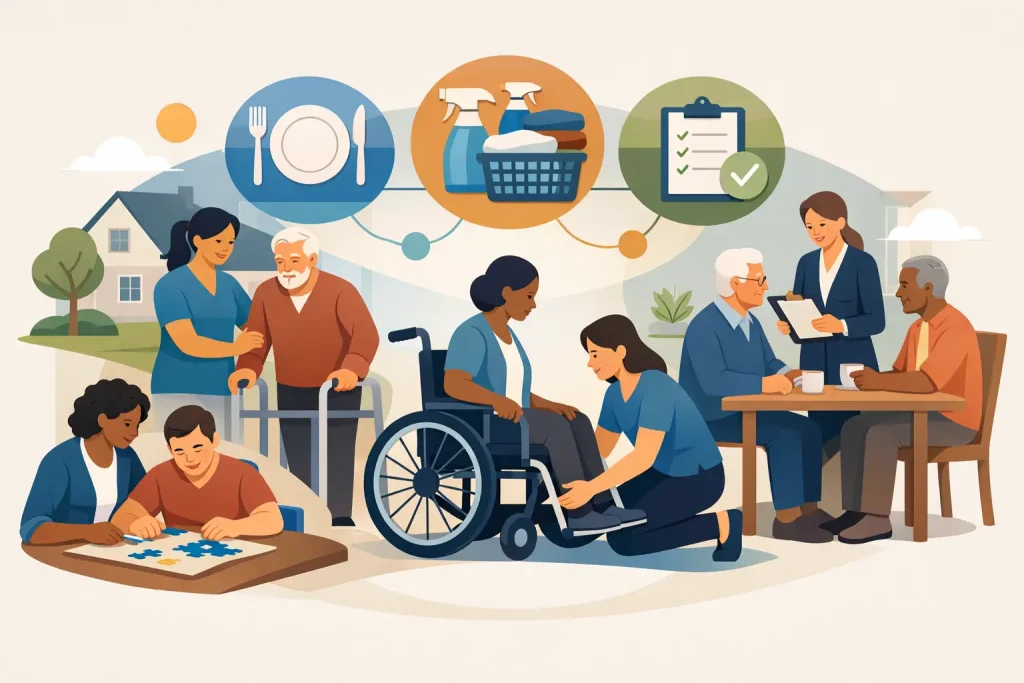
A missed meal, a pile of unopened medication reminders, or a morning routine that suddenly feels overwhelming – this is often where families first realize daily living skills support could make a real difference. The need does not always begin with a major health event. Sometimes it starts with small changes that affect safety, confidence, and the ability to move through the day with dignity.
For seniors, adults with disabilities, and people recovering from surgery or illness, the goal is rarely to have someone take over everything. More often, the goal is steady, respectful help that makes daily life more manageable. Good support protects independence instead of replacing it.
What daily living skills support includes
Daily living skills support refers to hands-on assistance and guidance with the routines people rely on every day. That can include personal care, meal preparation, mobility help, medication reminders, light housekeeping, and support with getting to appointments or staying engaged in the community.
For some people, support means physical assistance with bathing, dressing, grooming, or toileting. For others, it means prompts, supervision, or step-by-step guidance so they can complete tasks on their own as much as possible. In DDD settings, it may also involve helping someone build practical skills such as using public transportation, preparing a simple meal, following a schedule, or participating more confidently in community life.
This matters because daily routines are closely tied to health and self-esteem. When someone struggles with meals, hygiene, mobility, or medication routines, the impact goes beyond inconvenience. It can lead to falls, missed treatments, isolation, caregiver stress, and preventable hospital visits.
Why support looks different for each person
The best daily living skills support is never one-size-fits-all. Two people may both need help getting ready in the morning, but the right approach can be very different.
A senior with arthritis may need hands-on help fastening clothing and getting safely in and out of the shower. An adult with a developmental disability may benefit more from repetition, routine, visual cues, and encouragement that builds confidence over time. Someone recovering after a hospital discharge may only need temporary help with bathing, meals, and mobility until strength returns.
This is where families sometimes face a hard question. Is the priority safety, independence, recovery, or caregiver relief? In many cases, it is all four, but the balance matters. Too little support can create risks. Too much support can unintentionally reduce confidence or skill use. A thoughtful care plan respects what the person can do and steps in where support is truly needed.
Daily living skills support at home
Home is where routines are most personal, and that is one reason home-based care can be so effective. People tend to do better when support happens in a familiar setting with their own bathroom, kitchen, belongings, and schedule.
At home, support may begin with the most basic parts of the day. Getting out of bed safely, washing up, choosing weather-appropriate clothing, and eating breakfast can set the tone for everything that follows. If those tasks become difficult, the whole day can quickly feel out of reach.
Support at home also helps with the less visible parts of daily stability. Light housekeeping can reduce fall hazards. Meal preparation can support nutrition and hydration. Medication reminders can help maintain treatment plans. Companionship can reduce isolation, which is often overlooked but deeply connected to overall well-being.
For family caregivers, in-home support can bring relief that is both practical and emotional. Many relatives are doing their best while balancing work, parenting, and their own health needs. Having a trusted caregiver involved does not mean a family is stepping back. It often means they are making a sustainable plan to keep care consistent.
Daily living support for adults with disabilities
For adults with developmental or intellectual disabilities, support is often about more than assistance. It is also about growth, participation, and choice.
In that setting, caregivers may help with everyday routines while also encouraging skill-building. A person might practice preparing snacks, organizing personal items, following a calendar, or learning how to navigate community spaces with greater confidence. The support should be respectful and person-centered, not rushed or overly controlling.
There is an important difference between doing a task for someone and helping them develop the ability to do more for themselves. Sometimes direct assistance is the safest and kindest option. At other times, coaching and repetition are more appropriate. The right choice depends on the person’s goals, cognitive and physical abilities, and the context of the task.
That balance is especially important for guardians and support coordinators who want services that protect health without limiting independence. Strong support should create structure while still honoring personal preferences, routines, and dignity.
Signs it may be time to ask for help
Families do not always recognize the need for support right away. Changes can happen gradually, and loved ones often work hard to hide their struggles.
Common signs include missed meals, poor hygiene, increased confusion with routines, trouble managing medications, falls or near-falls, clutter that creates safety concerns, missed appointments, or a noticeable loss of confidence. In other cases, the clearest sign is caregiver exhaustion. If a family member is overwhelmed, sleep-deprived, or constantly worried about leaving a loved one alone, additional support may already be overdue.
It is also worth paying attention to changes after a hospital stay, surgery, or illness. A person who seemed independent before may temporarily need more help with mobility, toileting, bathing, or meal preparation. Early support during recovery can reduce setbacks and make the transition home smoother.
What good support should feel like
When care is the right fit, it should feel steady, respectful, and calm. The person receiving support should feel seen as an individual, not treated like a task list.
That means caregivers should pay attention to preferences, routines, and communication style. Some clients want conversation and companionship. Others prefer quiet support and a predictable routine. Some need close supervision for safety. Others need gentle prompting and encouragement rather than constant hands-on assistance.
Families should also feel informed and reassured. Clear communication matters, especially when multiple people are involved in care. For DDD clients, that may include guardians, support coordinators, and other providers. For seniors or post-surgical clients, it may include adult children, discharge planners, or physicians.
Professional support should never feel cold. But it should also never feel vague or disorganized. Warmth and reliability need to go together.
Choosing the right level of care
Not every person needs the same schedule or scope of service. Some people do well with a few hours of support each week. Others need daily help or respite services that give family caregivers regular breaks. In more complex situations, a combination of home care and developmental disability supports may be appropriate.
It helps to ask practical questions. Which tasks are becoming difficult? When during the day is support most needed? Is the challenge mainly physical, cognitive, emotional, or a mix of all three? Is the goal to maintain current abilities, recover function, build skills, or reduce caregiver strain?
The answers guide the plan. They also help avoid a mismatch between what a family requests and what will truly help. For example, someone may ask for companionship when the more urgent issue is bathing safety. Another family may focus on personal care when the larger problem is that the caregiver has no time to rest.
Providers like Comfort Zone Home Healthcare often see this firsthand. The most effective support plans are grounded in real daily needs, not assumptions.
Why this support protects dignity
People often worry that accepting help means losing independence. In reality, the right support can preserve it.
When someone has help with bathing safely, eating regularly, keeping a clean environment, or getting out into the community, they are often more able to remain in their home and stay connected to daily life. Support can reduce crises, ease stress, and create room for confidence to return.
Dignity is not only about privacy. It is also about being able to live with comfort, choice, and a sense of control. That is why daily support should be offered with patience, respect, and attention to the person’s pace.
If your family is beginning to notice small changes, it is worth paying attention now rather than waiting for a larger setback. The right kind of help can make everyday life feel safer, lighter, and more manageable – one routine, one meal, and one steady day at a time.