
A hospital discharge can move quickly. One minute you are focused on medications, follow-up appointments, and transportation, and the next you are being asked to sign forms that may need notarization. That is often when people search for medical notary services near me – not because they planned ahead, but because life suddenly made it necessary.
When health concerns are involved, convenience matters, but so does sensitivity. A medical notary is not there to give legal advice or rush a signature. Their role is to verify identity, confirm willingness, and help complete the notarization process in a way that respects the signer’s condition, setting, and dignity. For seniors, post-surgical clients, adults with disabilities, and families managing urgent decisions, that support can make a stressful moment feel more manageable.
What medical notary services near me usually include
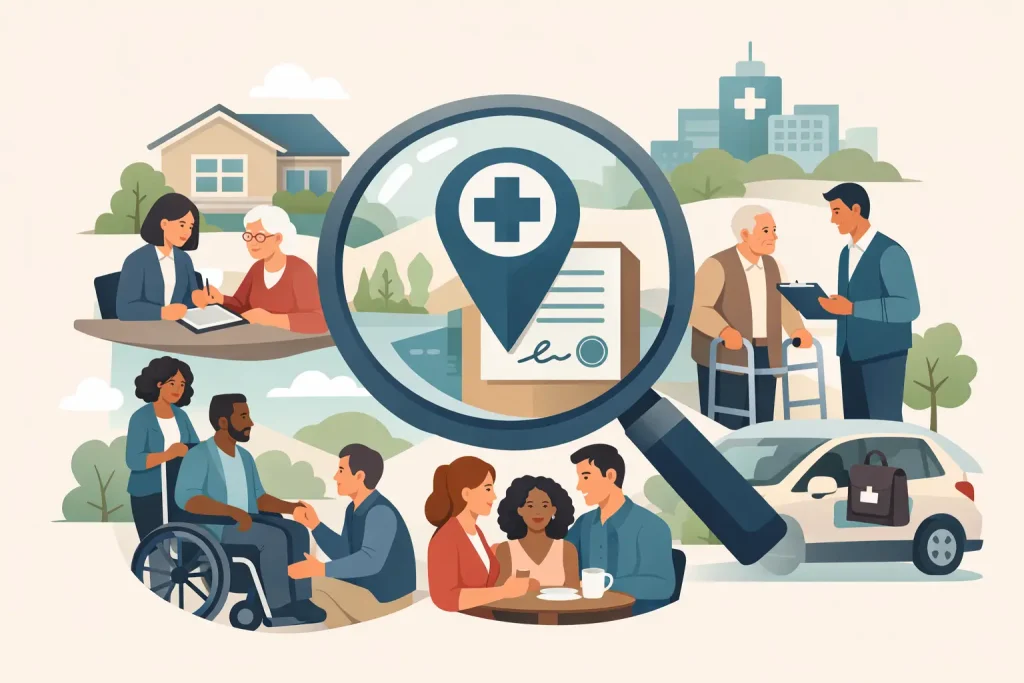
Medical notary services generally refer to notarizations connected to healthcare, caregiving, long-term planning, or situations where the signer is in a hospital, rehab center, nursing facility, assisted living community, or at home recovering. In many cases, the notary is mobile, which means they travel to the person instead of requiring a trip to an office.
Common documents may include powers of attorney, advance directives, healthcare proxy forms, living wills, caregiver authorizations, affidavit forms, and certain insurance or disability-related paperwork. Some forms require notarization, while others may require witnesses instead. That distinction matters. A reliable notary should clarify their role and help you understand whether the document calls for a notarial act, witnesses, or both.
The biggest value is often not speed alone. It is the ability to bring the service to someone who may have limited mobility, significant pain, cognitive fatigue, transportation barriers, or medical equipment that makes travel impractical.
Why families search for a mobile option
Most people do not look for a medical notary under ideal circumstances. They are often juggling care decisions, work schedules, and concern for a loved one’s wellbeing. In those moments, a mobile notary can remove one difficult errand from an already heavy day.
That is especially true when the signer should remain at home, is recovering after surgery, or needs support in a facility. A mobile appointment can reduce physical strain and preserve energy for what matters most. It can also help family caregivers avoid coordinating transportation for a task that may only take a short visit if everything is prepared correctly.
There is also a privacy benefit. Sensitive health and family matters often feel easier to handle in a familiar environment. When someone is signing an advance directive or power of attorney, being in their own room or home can help them feel more comfortable and less overwhelmed.
What a medical notary can and cannot do
This is where expectations need to be clear. A notary can verify identity, witness the signing when required, administer an oath or acknowledgment if the notarial act calls for it, and complete the notarial certificate according to state law. A notary cannot decide whether a document is appropriate, explain legal consequences, or tell a signer what they should choose.
That limitation is not a weakness. It protects the signer. If someone needs legal guidance, they should speak with an attorney. If they need help understanding the medical side of a form, they may need a physician, social worker, discharge planner, or care coordinator. The notary’s role is important, but it is specific.
A good medical notary also has to watch for signs that a notarization should not proceed. If the signer does not appear aware, is under obvious pressure, cannot communicate their intent, or lacks acceptable identification without another lawful option available, the notary may need to decline. That can be frustrating in the moment, but it is part of doing the job ethically.
How to choose medical notary services near me with confidence
When comparing providers, the first question is not just “How soon can you get here?” It is “Can you handle this situation correctly?” Medical-related notarizations often involve time pressure, emotional strain, and clients with special needs. Experience matters.
Look for a provider who communicates calmly and clearly. They should ask what kind of document you have, where the signer is located, whether valid identification is available, and whether the signer can communicate and sign willingly. Those questions are a good sign. They show the notary is trying to avoid problems before arrival.
It also helps to ask whether the notary is comfortable working in hospitals, rehab centers, nursing homes, or private homes. Each setting has practical considerations. A hospital may have visitor procedures. A facility may require coordination with staff. A home visit may involve mobility equipment, a bedside signing, or family members being present.
If you are in New Jersey, local familiarity can make the process smoother. A statewide mobile provider may be better equipped to travel to homes, care facilities, and healthcare settings across different counties while understanding the practical realities families face.
What to prepare before the appointment
A smoother notarization usually comes down to preparation. The signer should have an unexpired, acceptable form of identification ready if required by state law. The document should be available but generally not signed in advance unless the notary specifically instructs that the act allows for it.
You should also confirm whether witnesses are needed. Some healthcare forms require witnesses in addition to notarization, and the notary may or may not be able to provide them depending on the circumstances and legal requirements. It is better to clarify this ahead of time than to discover it during the appointment.
Make sure the signer is alert and able to communicate. That does not mean they need to be perfectly healthy or energetic. It means they should be able to show awareness of what they are signing and do so voluntarily. If medications, fatigue, or confusion may affect that, timing the visit carefully is wise.
Finally, choose a quiet space whenever possible. In a busy hospital room or crowded home, distractions can add stress. A calm environment helps the signer focus and helps the notary complete the process respectfully.
Special considerations for seniors and medically fragile clients
Medical notary work requires patience. Seniors and medically fragile clients may need more time to sit up, review a page, adjust glasses, hold a pen, or communicate clearly. That should not be treated as an inconvenience. It is simply part of providing the service with dignity.
There may also be emotional weight attached to the documents. An advance directive or power of attorney is not just paperwork. It often reflects deeply personal choices about health, trust, and future care. A compassionate notary understands that the appointment may be brief, but the moment is significant for the person signing.
At the same time, families should know that being ill does not automatically prevent notarization. Many people can sign validly while receiving medical care, recovering from surgery, or living with chronic conditions. The key question is whether they are aware, willing, and able to complete the act at that time.
When urgent does not mean rushed
Some notarizations truly are time-sensitive. A discharge plan may depend on paperwork. A family may need authority to handle financial or care decisions. A facility may be waiting on a signed form. In those cases, responsiveness matters.
Still, urgent should never mean careless. If a provider promises instant service without asking basic questions about the document, the signer, identification, or setting, that is worth noticing. A trustworthy notary balances speed with compliance and respect.
This is one reason families often prefer working with a service-oriented provider rather than a random listing. The best experience comes from someone who understands that the client may be in pain, the caregiver may be overwhelmed, and the document may carry real consequences.
A compassionate approach matters
When people search for notarization in a healthcare setting, they are rarely looking for just a stamp. They are looking for reliability in a moment that may feel uncertain. They want someone who will arrive as promised, explain the process clearly, treat the signer respectfully, and handle the appointment with care.
That is what makes medical notary work different from a routine errand. The setting is more personal. The stakes can feel higher. And the people involved often need patience as much as they need professionalism.
For families across New Jersey, including those balancing care at home, recovery after discharge, or support for a loved one with complex needs, services like those offered by Comfort Zone Home Healthcare can make this process easier to manage. A mobile medical notary cannot remove every stress, but the right one can help turn an urgent task into one less thing to worry about.
If you are looking for help, choose a provider who respects both the paperwork and the person signing it. That balance is what turns a necessary service into meaningful support.