
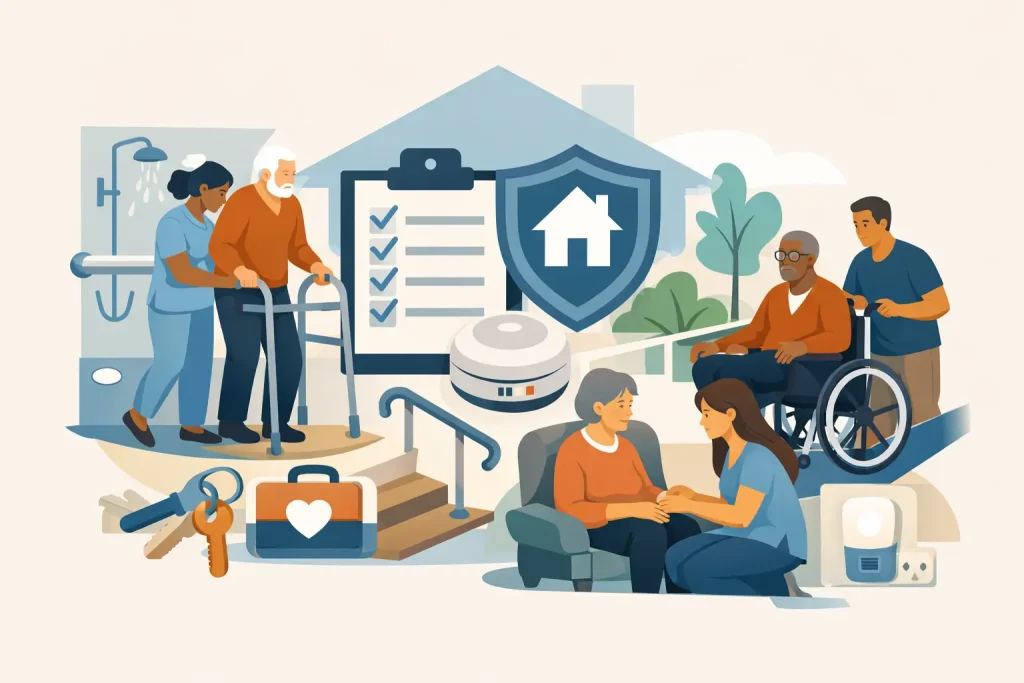
A missed rug corner, a dim hallway bulb, a grab bar that was never installed – small details like these are often what turn an ordinary day at home into a preventable emergency. A good senior home safety checklist guide is not about making a house feel clinical. It is about protecting independence, reducing stress for families, and helping daily routines feel safer and easier.
For many older adults, home is where comfort lives. It is also where most falls, medication mix-ups, and mobility challenges happen. The goal is not to remove every risk, because that is rarely realistic. The goal is to notice what could cause harm, fix what can be fixed, and create support around the areas that need extra attention.
How to use a senior home safety checklist guide
The most helpful way to use a checklist is room by room, with the senior involved whenever possible. That matters because safety changes can feel personal. A family member may see clutter, while the person living there sees familiar belongings and routines. Walking through the home together keeps the process respectful and practical.
It also helps to think beyond falls. Safety includes lighting, medication habits, food access, personal hygiene, mobility, and the ability to call for help. Some homes need only a few simple updates. Others may need more hands-on support after surgery, during illness, or as memory concerns progress.
Entryways and walkways
Start where people come and go. Front steps, porches, driveways, and hallways are common trouble spots, especially in bad weather or at night. Railings should feel solid, not loose or wobbly. Pathways should be clear enough for a cane, walker, or another person assisting with mobility.
Lighting matters more than many families expect. A bright porch light, motion-sensor lights, and easy-to-reach switches can reduce risk right away. If the senior often carries bags, uses a walker, or tires easily, even one uneven step can become a serious obstacle.
Inside the home, remove cords from walking paths and secure rugs or consider removing them altogether. This is one of those areas where personal preference and safety sometimes conflict. If a treasured rug stays, it should at least have a strong non-slip backing and sit flat without curled edges.
Bathroom safety deserves special attention
Bathrooms combine water, hard surfaces, and quick movements, which is why they deserve a close look. The shower or tub should have grab bars installed in the right locations, not just a towel bar nearby. Non-slip mats inside and outside the tub can help, but they should lie flat and stay in place.
Toilet height is another overlooked issue. A low toilet can be difficult for someone with weak legs, arthritis, or recent surgery. Raised toilet seats or supportive frames may help. If balance is uncertain, there should also be enough space for a caregiver to assist safely.
Temperature control matters here too. Water that gets too hot can cause burns, especially if sensation is reduced or reaction time is slower. Adjusting the water heater to a safer setting can lower that risk without making bathing uncomfortable.
Bedroom setup for safer nights and mornings
Many falls happen during nighttime trips to the bathroom or first thing in the morning. The path from bed to bathroom should be clear, well lit, and free of furniture that narrows the walkway. A bedside lamp, touch light, or motion-activated nightlight can make a real difference.
The bed itself should be easy to get in and out of. If it is too low, standing may be difficult. If it is too high, getting in safely becomes a challenge. The best height depends on the person, their strength, and whether they use mobility aids.
Keep essentials close by. Glasses, a phone, medications that need to be taken at certain times, and an alert device should not require reaching, twisting, or walking across the room. For seniors with memory changes, simple visual organization often works better than crowded surfaces or complex storage systems.
Kitchen safety and daily independence
The kitchen is about more than cooking. It is where nutrition, hydration, and routine often come together. A safer kitchen supports independence, but it should not ask the senior to bend, stretch, or carry more than they can manage.
Frequently used items should be stored between waist and shoulder height. Reaching into low cabinets or high shelves increases the chance of losing balance. If standing for long periods is tiring, a stable chair or a plan for seated prep may help. It depends on the person, their endurance, and whether someone is available to assist.
Check appliances for ease of use. Stove knobs should be clear and functional. The microwave should be placed at a safe height. If forgetfulness is a concern, the discussion may shift from appliance setup to supervision and meal support. That can be a sensitive change, but safety around heat and sharp tools should be taken seriously.
Living areas and everyday movement
Living rooms and family rooms often collect furniture, footstools, baskets, and decor that look harmless until mobility changes. There should be enough space to turn, sit, and stand without bumping into obstacles. Chairs should feel stable and supportive, with arms if possible, since deep or soft seating can make standing harder.
Pay attention to flooring transitions. A slight change between rooms may not look like much, but it can catch a toe or walker. If a senior uses oxygen tubing or other equipment, those lines need thoughtful placement so they do not become tripping hazards.
Pets deserve consideration too. Beloved dogs and cats offer comfort and companionship, but they can also move quickly underfoot. Bells on collars, feeding stations placed out of walkways, and routines that reduce sudden movement can help.
Medication and emergency planning
A safe home also supports safe decisions. Medications should be clearly organized, stored properly, and reviewed regularly. Confusion can happen when prescriptions change after a hospital stay or when more than one provider is involved. Pill organizers, written schedules, and family oversight may help, but some situations call for direct medication reminders or supervision.
Emergency readiness is just as important. Phones should be easy to reach, with important numbers clearly listed. If the senior lives alone or spends part of the day alone, consider how they would get help after a fall, sudden weakness, or confusion. Medical alert systems are useful for many people, though not everyone remembers to wear them consistently.
A written emergency plan can reduce panic. Include medications, allergies, diagnoses, provider contact information, and who should be called first. Keep that information in a known, visible place.
Safety for memory loss, limited mobility, or recovery
Some homes need more than basic modifications. If a senior has dementia, poor balance, recent surgery, or a chronic condition that causes fatigue, a standard checklist may not be enough on its own. The risks change when someone forgets to lock doors, skips meals, wanders, or needs hands-on help in the bathroom.
This is where families often feel pulled in two directions. They want to preserve independence, but they also see growing signs that more support is needed. There is no single moment when every family knows exactly what to do. Usually, it is a pattern: more near-falls, missed medications, difficulty bathing, increased confusion, or caregiver exhaustion.
In those cases, in-home support can add safety without forcing a move before it is necessary. Assistance with bathing, dressing, mobility, meal preparation, medication reminders, light housekeeping, and safety supervision can make daily life more manageable for both the senior and the family. For some households, even a few hours of reliable help each week creates much-needed stability.
A practical checklist to revisit often
The best senior home safety checklist guide is one you return to, not one you complete once and forget. Needs change after illness, after a fall, during recovery, or simply with age. A home that worked well six months ago may need new adjustments today.
Walk through the home with fresh eyes every few months. Notice what the senior avoids, what takes extra effort, and where they seem unsteady or frustrated. Those moments often reveal more than any form ever could.
If your family is trying to make home safer for an older adult, start with the basics and do not wait for a crisis to make changes. Thoughtful updates, honest conversations, and the right support can protect both dignity and independence. Sometimes safety begins with something as simple as turning on a brighter light and asking, with care, what would make this day easier.