
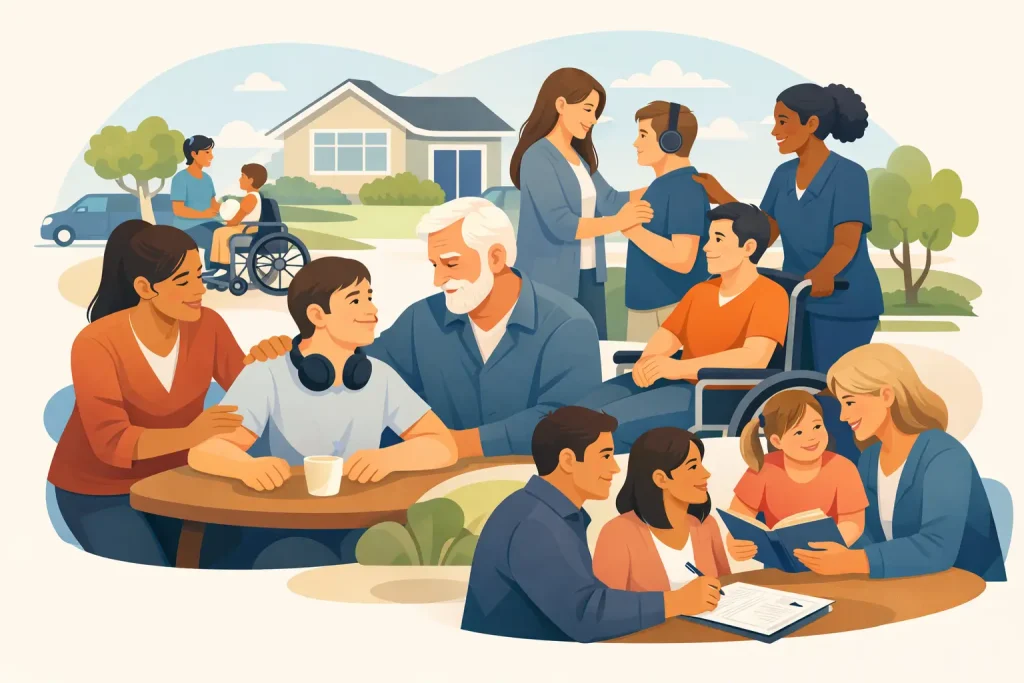
A caregiver who has been doing everything alone usually asks the same question only after reaching a breaking point: who qualifies for DDD respite support, and how soon can help begin? That question matters because respite is not simply a break. For many families, it is what makes long-term caregiving possible while still protecting the health, stability, and dignity of everyone involved.
Who qualifies for DDD respite support in New Jersey?
In New Jersey, DDD respite support is generally designed for individuals with developmental disabilities who are eligible for services through the Division of Developmental Disabilities and who have a documented need for caregiver relief or supervision. In practical terms, this usually means the person receiving support must first be enrolled in DDD and meet the program’s functional and Medicaid-related requirements.
Respite is typically not based on caregiver stress alone, even though caregiver stress is very real and often severe. The state usually looks at the needs of the individual with the disability, the level of supervision or assistance required, and whether temporary relief for the primary caregiver is necessary to maintain safe care at home. That distinction can feel frustrating to families, but it is an important part of how eligibility is reviewed.
The basic eligibility starting point
For most people, the first requirement is DDD eligibility itself. That often includes having a developmental disability that began before adulthood and results in substantial functional limitations in major life areas. The individual also generally needs to meet financial and program requirements connected to Medicaid eligibility for DDD-funded services.
If someone is not yet approved for DDD, the conversation about respite usually starts there. A family may clearly need help, but respite support under DDD normally depends on that underlying eligibility being in place first.
What DDD looks at when deciding who qualifies for respite support
Once a person is connected to DDD, respite is not always automatic. Approval often depends on assessed need, available service planning, and whether respite is the right support within that person’s individualized plan.
One major factor is the level of daily supervision the individual needs. If a person cannot safely be left alone, needs help with activities of daily living, has behavioral support needs, or requires ongoing monitoring, respite may be appropriate because the caregiver cannot reasonably provide nonstop care without relief.
Another factor is the caregiver’s role in the home. If a parent, guardian, or other unpaid family caregiver is providing regular support, the need for temporary relief may be recognized as part of maintaining the caregiving arrangement. This is especially relevant when the caregiver is balancing work, other children, medical appointments, or their own health concerns.
DDD and the support planning process may also consider whether respite helps prevent a more serious disruption. In some cases, regular caregiver relief can reduce the risk of burnout, crisis placements, or unnecessary hospitalization. That does not mean every family will receive the same amount of support. It means respite is often viewed in the context of keeping the individual safe and supported in the least restrictive setting.
Situations that may support a need for respite
A person may be more likely to receive respite support if they need hands-on help with bathing, dressing, toileting, meals, mobility, communication, or community safety. The same may be true if they need supervision because of wandering, impulsivity, seizures, medical fragility, or behavioral concerns.
Families caring for adults with significant support needs often assume they should “just manage” because they have been doing it for years. But long-term caregiving history does not cancel out current need. In fact, it can highlight why dependable relief is necessary.
Who may not qualify right away
Some families are surprised to learn that needing a break does not always mean respite will be immediately approved. If the individual has not completed the DDD eligibility process, does not meet Medicaid-related criteria, or has not had respite identified in the planning process, services may be delayed or denied until those steps are addressed.
There can also be situations where another support is considered a better fit. For example, if the main need is ongoing one-on-one help with skill building or community access rather than temporary caregiver relief, another DDD service may be more appropriate. This is one reason clear documentation matters. The request should match the actual need.
A family may also run into limits related to budgets, service authorizations, or how many hours are approved. Qualifying for respite does not always mean receiving unlimited coverage. The amount and frequency can vary based on the individual’s plan and documented needs.
How the eligibility process usually works
The process usually begins with establishing DDD eligibility. After that, the individual’s needs are assessed and discussed through service planning, often with a support coordinator involved. Families should be prepared to explain what daily care looks like, what the unpaid caregiver is responsible for, and where relief is needed.
It helps to be specific. Saying “we need help” is honest, but it is often not enough on its own. A clearer description might be that the caregiver cannot leave the individual alone due to safety risks, provides support with toileting and meals every day, and has no consistent backup for appointments, work obligations, or rest. That level of detail gives decision-makers a more accurate picture.
Documentation can make a difference
Medical records, functional assessments, behavioral history, and caregiver statements may all help show why respite is appropriate. If the individual needs close supervision or significant daily assistance, that should be documented as clearly as possible.
Families sometimes minimize what they do because it has become routine. But routine does not mean easy. If someone needs cueing for every step of dressing, redirection throughout the day, help eating safely, or supervision during transportation and community outings, those details matter.
What respite support can actually look like
Respite can take different forms depending on the plan, provider arrangements, and the individual’s needs. Sometimes it means temporary in-home support so the regular caregiver can rest, work, attend appointments, or take care of other responsibilities. In other cases, it may involve support in the community or another approved setting.
The goal is not simply to fill time. Good respite should protect health and safety while also supporting the individual’s comfort, routine, and dignity. That means the best respite providers do more than supervise. They pay attention to daily habits, communication style, personal preferences, and how to create a calm and respectful experience.
For many families, the emotional side of respite is just as significant as the logistical side. Letting another person step into the home can feel difficult at first. Trust takes time, especially when a loved one has complex needs or limited communication. Compassionate, dependable support matters because respite only works when families feel safe using it.
Questions families should ask if they are unsure
If you are still trying to understand who qualifies for DDD respite support, it may help to ask a few practical questions during planning. Is the individual already determined eligible for DDD services? Is there an unpaid caregiver providing regular support? Does the person require supervision or help with daily living tasks? Has caregiver relief been clearly identified as a needed support to maintain stability at home?
If the answer to several of those questions is yes, respite may be worth discussing in more detail with the support coordinator or care team. If the answer is no to the first question, then the next step is likely the DDD eligibility process itself.
In New Jersey, families often feel overwhelmed by paperwork, service language, and changing requirements. A provider experienced with DDD services, such as Comfort Zone Home Healthcare, can be part of a broader support system once services are authorized, but the clearest first step is always understanding where the individual stands with DDD eligibility and service planning.
Respite support can be life-giving for caregivers and deeply stabilizing for the person receiving care. If your household has been carrying too much for too long, asking whether you qualify is not asking for extra. It is asking how to sustain care with the steadiness and dignity your family deserves.