
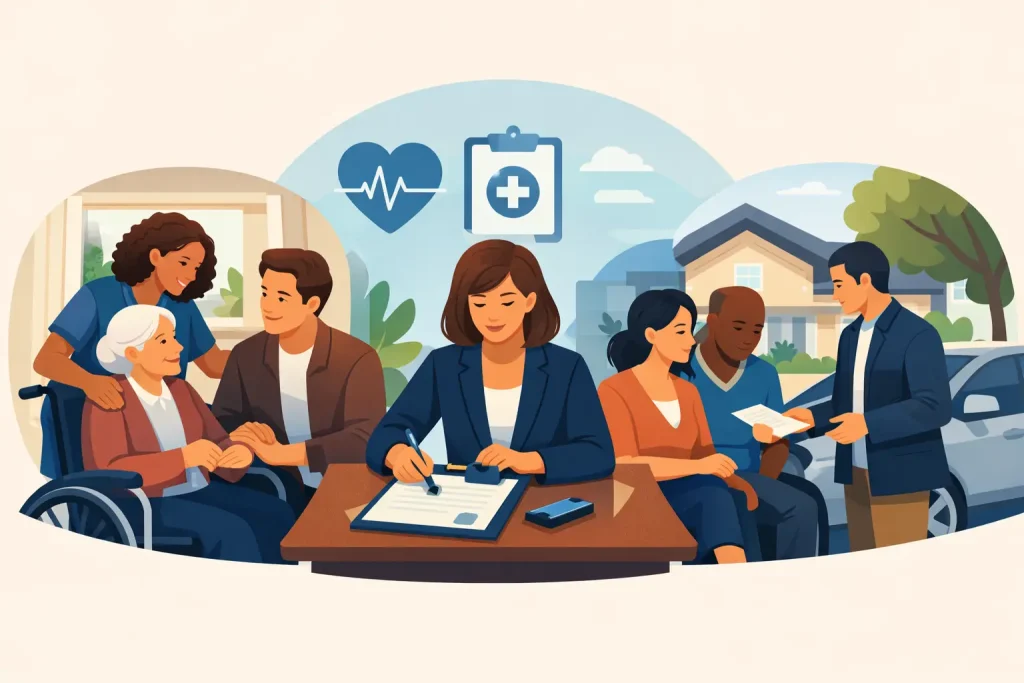
A healthcare emergency can make even straightforward paperwork feel overwhelming. When a loved one is in the hospital, preparing for surgery, or managing a serious condition, finding a notary for healthcare proxy documents may become one more urgent task on a long list. Understanding the process ahead of time can help families make decisions calmly and ensure a person’s wishes are clearly documented.
A healthcare proxy is a legal document that allows someone to appoint a trusted person to make healthcare decisions if they are unable to speak for themselves. The appointed person may be called a healthcare representative, agent, or proxy. This role can involve communicating with doctors, considering treatment options, and making choices based on the individual’s known wishes and values.
Does a Healthcare Proxy Need to Be Notarized in New Jersey?
It depends on the form being used and the circumstances surrounding it. In New Jersey, an advance directive for healthcare can generally be signed either in front of two adult witnesses or acknowledged before a notary public. The witnesses and notary serve different functions, but both help support the document’s validity.
Some healthcare providers, hospitals, attorneys, care facilities, or families may prefer notarization because it provides an additional formal record of the signing. A notary verifies the signer’s identity, confirms that the signer appears willing to sign, and completes the required notarial certificate. A notary does not decide whether the document reflects good medical choices, explain treatment options, or determine whether a person has legal capacity.
Requirements can vary when a healthcare proxy is combined with other documents, such as a living will, durable power of attorney, HIPAA authorization, or estate planning paperwork. For that reason, it is wise to read the instructions on the specific form carefully and seek legal guidance when the situation is complex or there is uncertainty about the document.
What a Notary for Healthcare Proxy Documents Can Do
The purpose of notarization is not simply to place a stamp on a document. It is a formal process intended to reduce the risk of fraud, pressure, or mistaken identity. For families making sensitive healthcare decisions, that added layer of formality can bring reassurance.
During an appointment, the notary will ask the signer to present acceptable government-issued identification. The signer must be present for the notarization and should be able to communicate that they understand they are signing the document voluntarily. If a signer seems confused, heavily sedated, pressured by another person, or unable to communicate their willingness, the notary may need to pause or decline the notarization.
This can be difficult for families to hear, particularly when medical circumstances are urgent. Still, it protects the individual whose healthcare choices are at stake. A notary must remain impartial and cannot tell someone whom to appoint as a healthcare representative or influence the content of the directive.
When Mobile Notary Service May Be Helpful
Healthcare paperwork is often needed when getting to an office is difficult. A mobile notary can travel to a home, hospital, rehabilitation center, assisted living community, nursing facility, hospice setting, or another agreed-upon location. This is especially helpful for seniors, people recovering from surgery, individuals with disabilities, and family caregivers managing many responsibilities at once.
Mobile service does not remove the legal requirements for a proper notarization. The signer must still be personally present, show satisfactory identification, and sign willingly. It does, however, allow the appointment to happen in a setting that is more comfortable and practical for the person signing.
For example, a family may realize after a hospital admission that no healthcare proxy is in place. If the patient is alert, able to communicate, and wishes to complete the document, a mobile notary appointment may help the family address the paperwork without arranging difficult transportation. If the patient cannot communicate or is already unable to make decisions, a notary cannot create authority after the fact. The family may need to speak with the healthcare team or an attorney about next steps.
Preparing for a Healthcare Proxy Notarization
A little preparation helps the appointment go more smoothly, especially in medical settings where time can be limited. Before scheduling, make sure the document is complete but unsigned. Do not sign it in advance unless the form’s instructions specifically allow that and the notary has confirmed the process.
Bring or have available the following:
- The healthcare proxy or advance directive form, with names and contact details filled in as needed
- An unexpired government-issued photo ID for the person signing
- The full names and contact information for the appointed healthcare representative and any alternate
- Any witnesses required by the form, if the document is being witnessed rather than notarized
- Reading glasses, a pen, and a quiet space where the signer can review the document without pressure
The person chosen as healthcare representative does not always need to attend the signing, but it is often helpful for them to understand the responsibility they are accepting. A thoughtful conversation before an emergency can prevent uncertainty later. The representative should know the person’s preferences about treatments, comfort care, religious or personal values, and who else should be included in important discussions.
Common Concerns Families Have
One common question is whether a spouse or adult child automatically has authority to make medical decisions. Family members are often involved in care discussions, but automatic authority is not always as simple as people expect. A properly completed healthcare proxy gives clearer direction about who the individual trusts to speak on their behalf.
Another concern is whether the signer must be seriously ill to complete a proxy. They do not. In fact, completing an advance directive while a person is well, alert, and unhurried is usually preferable. The document is a form of planning, not a prediction that a crisis is about to happen.
Families also ask whether one document covers every decision. A healthcare proxy generally addresses medical decision-making, while a financial power of attorney addresses financial and property matters. They are separate documents with different purposes. A person may need one, both, or additional planning documents depending on their situation.
Choosing the Right Person to Serve as Proxy
The best healthcare representative is not necessarily the oldest child, closest relative, or person who lives nearest. The right person is someone who can stay calm under pressure, communicate with medical professionals, respect the signer’s wishes, and handle disagreement with care.
It is also wise to name an alternate in case the first choice is unavailable, unwilling, or unable to serve. Before finalizing the document, speak directly with both individuals. Ask whether they are comfortable taking on the responsibility and make sure they know where the completed paperwork will be kept.
Once signed, provide copies to the healthcare representative, alternate, primary care provider, and any specialists or facilities that may need it. Keep the original in a safe but accessible place. A document locked away where no one can find it may not help when time matters.
A Respectful Step Toward Future Care
Healthcare proxy documents are deeply personal. They are about preserving a person’s voice when illness or injury makes direct communication impossible. Notarization may be one part of the process, but the most meaningful part is the conversation behind the document: who is trusted, what matters most, and how care decisions should reflect the individual’s values.
For New Jersey families who need convenient support with healthcare-related paperwork, Comfort Zone Home Healthcare provides respectful mobile notary service designed around the realities of home, hospital, and recovery settings. Taking this step before a crisis can give both the individual and the people who care about them greater clarity and peace of mind.