
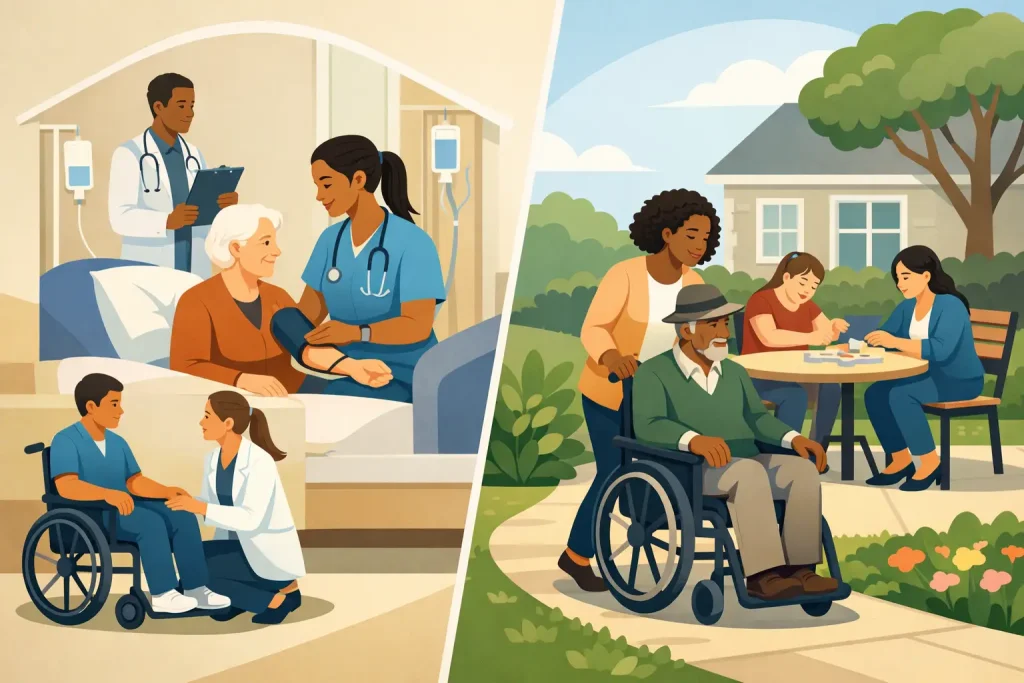
A hospital discharge plan may say a loved one needs help at home, but that phrase can mean very different things. Understanding home health versus home care helps families ask the right questions before care begins, especially when someone is recovering from surgery, managing a chronic condition, or becoming less steady with daily routines.
Both services can help a person remain at home with dignity. The difference is in the type of support provided, who delivers it, how often it is needed, and how it may be paid for. In some situations, a person benefits from both at the same time.
Home Health Versus Home Care: The Main Difference
Home health generally refers to skilled clinical care provided in the home. It is often ordered by a physician or arranged after a hospital, rehabilitation, or skilled nursing discharge. Depending on the care plan, home health may include visits from registered nurses, licensed practical nurses, physical therapists, occupational therapists, speech therapists, or medical social workers.
The purpose of home health is usually to address a medical need. A nurse may monitor a wound, assess symptoms, provide medication-related education, or track recovery after an illness. A therapist may work with a client on rebuilding strength, improving balance, safely using a walker, or regaining skills needed for everyday activities.
Home care, often called non-medical home care or personal care, focuses on practical daily support rather than skilled clinical treatment. A trained caregiver may help with bathing, dressing, grooming, toileting, mobility, meals, medication reminders, light housekeeping, errands, companionship, and safety supervision.
A simple way to think about the difference is this: home health treats or monitors medical concerns, while home care helps make everyday life safer, more manageable, and more comfortable. Both services are valuable, but they are not interchangeable.
What Home Health Services May Include
Home health visits are typically based on a clinical plan of care. They are often intermittent, meaning a nurse or therapist comes for scheduled visits rather than staying for several hours each day.
For example, a client returning home after joint replacement surgery may receive physical therapy to improve strength and mobility. Someone with a new surgical incision may receive nursing visits for wound assessment and care. A person recovering from a stroke may work with therapy professionals to regain movement, communication, or daily living skills.
Because home health is medical in nature, it is generally provided by licensed clinicians under established professional standards. The exact services available and the length of care depend on the person’s condition, provider recommendations, insurance coverage, and eligibility requirements.
Home health is often short-term, but not always. Some clients need a brief period of support after a hospital stay. Others have ongoing medical needs that require regular skilled oversight. Families should ask the referring provider what goals the service is expected to address and when the plan will be reviewed.
What Home Care Can Provide Day to Day
Home care is often the support that fills the hours between medical appointments and clinical visits. A person may be medically stable but still need help getting out of bed safely, preparing meals, remembering medications, taking a shower, or avoiding a fall while moving around the home.
This support can be especially meaningful for older adults who want to remain in familiar surroundings. It can also help adults with disabilities, medically fragile individuals, and people recovering from surgery maintain routines without placing the full responsibility on family members.
A caregiver can be present for a few hours, overnight, or on a more regular schedule, depending on the agency, the care plan, and the family’s needs. That flexibility is one of the reasons home care is often used for longer periods than home health.
Companionship matters, too. When a loved one is isolated, anxious, or no longer able to safely go out alone, a consistent caregiver can provide conversation, encouragement, and support with meaningful daily activities. This is not a replacement for family connection, but it can provide welcome reassurance for everyone involved.
When a Family May Need Both Services
The choice between home health and home care is not always an either-or decision. Many families find that the two services work well together.
Consider someone discharged after a serious fall. A home health physical therapist may visit to improve balance and teach safe transfers. A home care caregiver may help the person get dressed, prepare nourishing meals, keep walkways clear, provide reminders, and stay nearby during daily activities that still feel uncertain.
In that situation, the therapist addresses recovery goals, while the caregiver supports the person’s real-life routine. One service does not replace the other. Together, they can reduce stress and help the client follow through on the care plan safely.
This combined approach may also help family caregivers. A spouse or adult child may be willing to help but unable to provide hands-on assistance throughout the day because of work, their own health needs, distance, or other responsibilities. Reliable support can make caregiving more sustainable rather than forcing families to choose between doing everything alone and moving a loved one from home.
How to Decide What Your Loved One Needs
Start with the most immediate concern. If the person needs wound care, injections, therapy, clinical monitoring, or other treatment from a licensed professional, ask the physician, discharge planner, or case manager whether home health is appropriate.
If the biggest challenges involve personal care, meals, mobility, household routines, supervision, or companionship, home care may be the more direct fit. Be specific about what happens during a typical day. Does your loved one need help stepping into the shower? Are they forgetting meals or medications? Do they become unsteady when walking to the bathroom? Are they safe when left alone?
It also helps to look ahead, not only at today’s needs. A person who can manage independently in the morning may become tired, confused, or unsteady later in the day. A recovery that looks promising at discharge may still require weeks of practical support. A thoughtful assessment considers the full routine, including evenings, weekends, transportation needs, and caregiver availability.
For families supporting a person with developmental disabilities, the right service may look different again. DDD-funded supports such as Individual Supports, Respite, Community-Based Supports, and Community Inclusion can focus on skill-building, supervision, daily living assistance, caregiver relief, and participation in the community. These services are designed around the individual’s goals and authorized support plan, rather than a short-term medical recovery.
Questions to Ask Before Arranging Care
Before selecting any in-home service, ask clear questions about the provider’s role and the proposed care plan. Families deserve to understand who will be coming into the home, what tasks they can perform, how concerns are communicated, and what happens if needs change.
Ask whether the provider can support the specific schedule you need and whether there is a process for matching caregivers with a client’s preferences, routines, language needs, and personality. It is also reasonable to ask how the agency handles caregiver call-outs, supervises care, and responds to urgent concerns.
Payment is another important part of the conversation. Home health may be covered through Medicare, Medicaid, or private insurance when medical criteria are met, but coverage rules vary. Home care may be paid privately or through certain Medicaid programs and waiver services, depending on the person’s eligibility and approved plan. Never assume that a service is covered simply because it is recommended. Ask the provider and the relevant payer for a clear explanation.
Choosing Support With Dignity in Mind
The best care plan is not only about completing tasks. It should respect the person’s preferences, privacy, culture, and independence. A loved one may need assistance with bathing but still want to choose their own clothing. They may need help preparing meals but want to remain involved in deciding what to eat. Small choices can protect confidence and a sense of control.
At Comfort Zone Home Healthcare, this person-centered approach guides non-medical home care and support services for families throughout New Jersey. The goal is to provide dependable assistance while honoring each client’s routines, strengths, and comfort.
If you are unsure which type of support is right, begin with an honest conversation about what is becoming difficult at home and what would make daily life safer. The right answer may be home health, home care, DDD supports, or a combination that gives your loved one and your family room to breathe.