
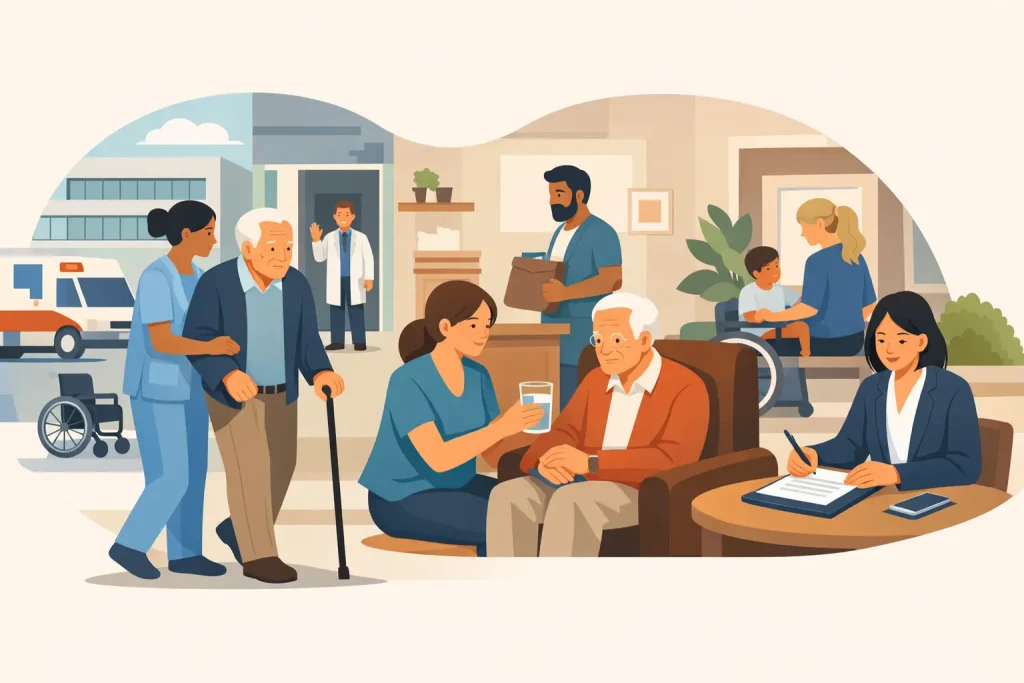
The first 48 hours at home can set the tone for recovery. A senior may look relieved to leave the hospital or rehab, but that does not always mean they are ready to manage medications, meals, bathing, stairs, follow-up visits, and warning signs on their own. When families ask how to help seniors after discharge, what they usually need is not one big solution. They need a calm, practical plan that protects safety, supports healing, and preserves dignity.
Discharge is often treated like the end of a health event. For many older adults, it is really the beginning of a more delicate stage. Fatigue, confusion, weakness, pain, and medication changes can make ordinary tasks feel much harder than expected. Even seniors who were fairly independent before a hospital stay may need short-term or ongoing help at home.
How to help seniors after discharge starts before they get home
The best support begins before the ride home. If possible, a family member or trusted support person should listen carefully during discharge instructions and ask for written directions. It helps to know the diagnosis, activity limits, wound care needs, medication changes, dietary restrictions, and follow-up appointments before the senior walks through the front door.
This is also the time to ask practical questions that families sometimes forget in the rush to leave. Can the person shower safely? Do they need help getting in and out of bed? Are they supposed to use a walker every time they stand? What symptoms should trigger a call to the doctor, and what symptoms mean emergency care is needed right away? Clear answers reduce avoidable setbacks.
If the senior has multiple conditions, the plan may be more complicated. A person recovering from surgery may also have diabetes, heart disease, or memory changes. That does not mean recovery will go poorly, but it does mean the support plan should reflect the whole person, not just the most recent hospital stay.
Make the home safe for a weaker, more tired person
A home that felt familiar before admission can quickly become risky after discharge. Weakness, dizziness, poor balance, and medication side effects increase the chance of falls. Safety changes do not need to be dramatic, but they should be thoughtful.
Clear walking paths matter. Loose rugs, electrical cords, clutter, and low furniture can become hazards when someone is unsteady or using a cane or walker. Good lighting is just as important, especially on the route between the bed and bathroom. If the senior has stairs, think honestly about whether they can manage them several times a day.
Bathrooms deserve special attention because they combine slippery surfaces with private activities that many seniors prefer to do alone. A shower chair, grab bars, a handheld shower, and supervision during bathing may be appropriate, depending on strength and balance. Families sometimes want to protect privacy by stepping back too soon. In practice, a little support can prevent a painful setback.
Medication support is often where problems begin
One of the most common reasons recovery gets off track is medication confusion. A hospital stay may lead to new prescriptions, changed dosages, or instructions to stop medications the person took before. If no one reviews that list carefully, the senior may double up, skip doses, or continue taking something that was discontinued.
Start by comparing the discharge medication list with everything already in the home. Remove expired medications and separate anything the doctor has stopped. Then create a simple schedule that matches the senior’s daily routine as closely as possible. Morning, midday, evening, and bedtime are easier to follow than a page full of medical language.
Some older adults only need reminders. Others need hands-on help organizing pillboxes, opening bottles, or keeping track of refill dates. It depends on vision, memory, dexterity, and how many medications are involved. Families should not assume that because a parent managed medications before hospitalization, they can do it safely right away after discharge.
Help with daily routines without taking away independence
Recovery at home works best when support is respectful. Most seniors want help that allows them to stay involved in their own routines, not feel like they have lost control over their lives. That balance takes patience.
The goal is not to do everything for them. The goal is to help with the parts that are temporarily or permanently unsafe. A senior may be able to brush their teeth, choose clothing, and eat independently, while still needing help with bathing, toileting, meal preparation, laundry, or getting in and out of a chair. Support should match actual ability, not fear.
This can be emotionally difficult for families. Adult children often swing between two extremes. They either rush in and take over every task, or they step back because they do not want to offend their loved one. Usually, the best approach is steady, respectful assistance that encourages participation while protecting health and safety.
Meals, fluids, and rest play a bigger role than many families expect
After discharge, appetite is often poor. Pain, nausea, fatigue, constipation, and new medications can all make eating less appealing. But recovery requires fuel. Skipping meals can weaken the body, worsen dizziness, and interfere with medication tolerance.
Simple meals are often better than ambitious ones. Soft foods, balanced snacks, easy-to-heat meals, and steady hydration can go a long way in the first week or two. If the discharge plan includes a special diet, such as low sodium or diabetic-friendly meals, it helps to organize the kitchen before the senior returns home.
Rest also matters, but too much time in bed can create new problems. Depending on medical instructions, light movement, short walks, and regular position changes may help reduce stiffness and support circulation. This is one area where families should follow the provider’s guidance closely, because the right amount of activity depends on the person and the reason for hospitalization.
Watch for warning signs that recovery is not going as planned
Families are often told to “keep an eye on things,” but that advice can feel vague. In reality, observation is one of the most valuable parts of post-discharge care. Small changes can signal the need for faster medical follow-up.
Pay attention to increased confusion, unusual sleepiness, worsening pain, shortness of breath, swelling, fever, poor appetite, dehydration, trouble walking, new incontinence, or a sudden decline in mood. If there is a wound, notice any drainage, redness, warmth, or odor. If medications seem to cause side effects, do not guess. Contact the prescribing provider.
Many readmissions happen because a problem grows quietly at home until it becomes urgent. Prompt communication can make a real difference.
How to help seniors after discharge when family cannot do it alone
Even devoted families may not be able to provide all the support a senior needs. Work schedules, distance, physical limitations, and caregiver burnout are real. Recognizing that early is not failure. It is responsible planning.
Home care can be especially helpful after discharge because recovery needs are often very practical. A senior may need assistance with bathing, dressing, mobility, meal preparation, medication reminders, light housekeeping, errands, and safety supervision while they regain strength. For some families, short-term support after surgery is enough. For others, the hospital stay reveals a longer-term need that had been building for some time.
Professional support also gives family members room to be daughters, sons, spouses, or friends again, instead of carrying every task alone. That emotional relief matters. When care is shared well, seniors often feel more secure, and families are better able to stay calm and consistent.
In New Jersey, families often look for post-discharge help that is flexible enough to meet the person where they are, especially when needs may change from week to week. Comfort Zone Home Healthcare is one example of the kind of support families seek when they want dependable, respectful care at home.
Communication keeps everyone on the same page
Post-discharge care tends to go more smoothly when one person takes the lead in organizing information. That person does not have to do everything, but they should know the medication schedule, appointment dates, provider instructions, and who is helping with what.
A notebook, printed calendar, or shared phone notes can prevent confusion. This becomes even more important when several relatives are involved. Seniors do best when support feels coordinated rather than chaotic.
Good communication should include the senior whenever possible. Even when someone needs significant help, they still deserve to understand what is happening and have a voice in their daily care.
Recovery after discharge is rarely perfect. There may be tired days, setbacks, and moments when everyone feels unsure. What helps most is steady support, close attention, and a willingness to adjust the plan as needs become clearer. When a senior feels safe, respected, and not alone, home can become a healing place again.