
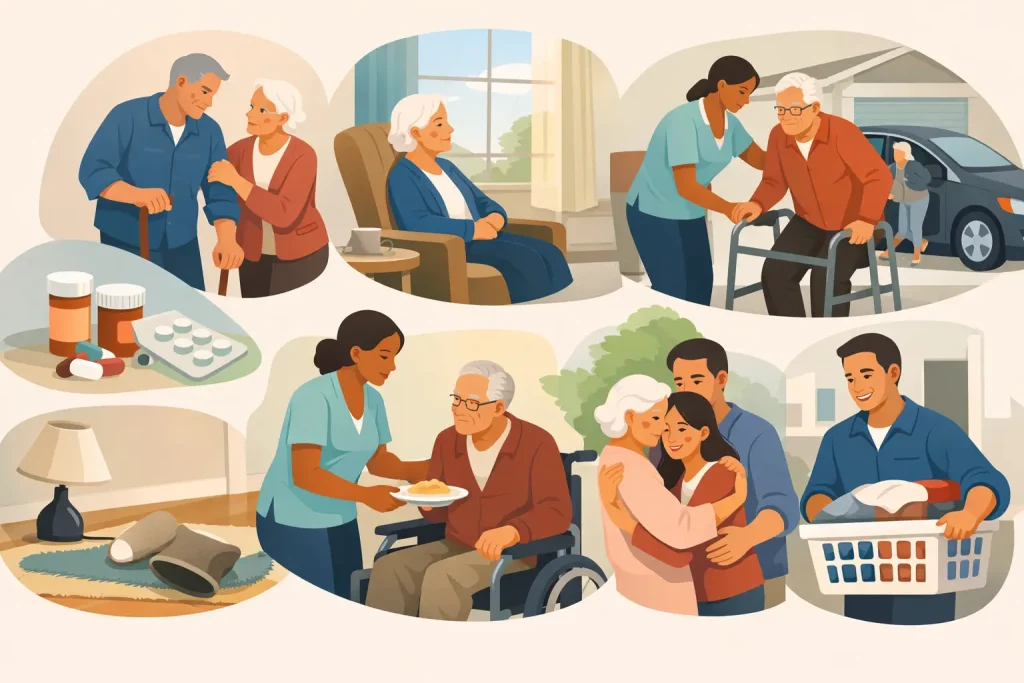
You may notice it in small moments first – spoiled food in the fridge, unopened mail on the table, or a parent who seems a little less steady than they did a few months ago. For many families, the question is not whether they love their parent enough to help. It is whether these changes are temporary, or whether they are among the 7 signs parents need home care.
That question can feel heavy. Adult children often worry about overreacting, while parents may insist they are fine even when daily life is becoming harder. Home care is not about taking away independence. In many cases, it helps protect it by providing the right support before a crisis happens.
Why noticing the signs early matters
Needs rarely appear all at once. More often, there is a gradual shift in routines, energy, memory, or mobility. A parent who once managed everything easily may start skipping meals, forgetting appointments, or avoiding stairs. When families wait for a medical emergency to force a decision, options can feel rushed and stressful.
Recognizing changes early gives everyone more room to talk, plan, and choose support that fits. Some people only need a few hours of help each week. Others benefit from regular assistance with personal care, meals, medication reminders, and safety supervision. It depends on the person, their health, and how much family support is realistically available.
The 7 signs parents need home care
1. Personal hygiene is slipping
If a parent who used to take pride in their appearance is wearing the same clothes repeatedly, skipping bathing, or struggling with grooming, that is often a meaningful sign. Sometimes the issue is memory. Sometimes it is physical discomfort, fear of falling in the shower, or trouble standing long enough to get dressed.
This can be difficult for families to bring up because it feels personal. Still, changes in hygiene often point to daily tasks becoming harder than your parent wants to admit. Gentle support with bathing, dressing, and grooming can preserve dignity while reducing stress.
2. The home no longer looks safe or manageable
A cluttered kitchen, piles of laundry, expired groceries, and unpaid bills can all suggest that household tasks are becoming overwhelming. One missed chore does not mean someone needs care. A pattern of disorganization, neglected cleaning, or unsafe conditions is different.
Look for subtle safety concerns too. Burn marks on pots, tripping hazards on the floor, poor food storage, or difficulty keeping up with basic housekeeping may indicate that your parent needs help at home. In many cases, light housekeeping and meal support make a significant difference.
3. Mobility has changed or falls are becoming a risk
A slower walk, trouble getting up from a chair, holding onto furniture, or avoiding parts of the house can all signal declining mobility. Some parents stop using stairs, skip showers, or limit outings because moving around feels harder or less safe.
Falls are one of the clearest reasons to take action quickly. Even a minor fall can lead to fear, reduced confidence, and further decline. And not every fall gets reported. A parent may dismiss it out of embarrassment or not wanting to worry the family. If balance looks unsteady or mobility is clearly changing, support with transfers, walking, and supervision may help prevent a more serious incident.
4. Medications are being missed or mixed up
Medication mistakes are common when routines become complicated. You might notice pill bottles that are still full, empty too soon, or scattered in different places. Your parent may seem confused about what they took or when they were supposed to take it.
This is one of the most important signs because the effects are not always immediate. Missed medications can lead to changes in blood pressure, pain control, blood sugar, mood, or recovery after illness or surgery. Home care can help with reminders and routine support, which is often enough to make medication management more consistent.
5. Eating habits and nutrition are declining
Weight loss, dehydration, low energy, or very little food in the house may point to a growing problem. Some older adults lose interest in cooking because it feels tiring or lonely. Others have trouble shopping, standing at the stove, or remembering to eat regularly.
Nutrition issues can show up in ways families do not expect. A parent may become weaker, more confused, or less steady simply because they are not eating well enough. Assistance with grocery shopping, meal preparation, and regular check-ins can support both health and independence.
Emotional and cognitive changes matter too
Not every need for home care starts with a physical issue. Sometimes the biggest change is in memory, mood, or social connection. These signs can be easy to miss, especially if your parent tries to sound cheerful on the phone.
6. Memory lapses or confusion are affecting daily life
Forgetting a name now and then is common. More concerning signs include repeated missed appointments, getting confused about familiar routines, leaving the stove on, forgetting conversations, or becoming disoriented about time and place. You may also notice increasing difficulty following directions, managing finances, or keeping track of important paperwork.
Memory changes do not always mean dementia, and families should avoid jumping to conclusions. Even so, when confusion starts affecting safety or daily function, extra support is worth considering. Having a trusted caregiver present can provide structure, reminders, and reassurance.
7. Isolation, anxiety, or caregiver strain is growing
A parent who withdraws from friends, stops attending activities, or seems unusually lonely may need more support than they are getting. Isolation can affect appetite, energy, cognition, and overall wellbeing. It can also deepen depression or anxiety.
This sign also includes the family caregiver. If a spouse, adult child, or relative is doing everything and becoming exhausted, that matters. Home care is not only for the person receiving help. It can also protect the health of the people trying to hold everything together. Respite and companionship can ease pressure before burnout sets in.
What to do if you recognize these signs
If several of these changes are happening at once, start with a calm conversation rather than a crisis-driven decision. Choose a quiet time. Focus on specific observations instead of broad statements. Saying, “I noticed you seem unsteady getting to the bathroom,” usually goes over better than, “You cannot live alone anymore.”
It also helps to ask questions that leave room for honesty. Your parent may admit they are afraid of falling, too tired to cook, or overwhelmed by medication schedules. Once the real issue is clear, the next step becomes easier.
Try to think in terms of support, not loss. Many families assume home care means constant help or a major life change. Often, it starts with a few practical services that make daily routines safer and less stressful. That might include help with bathing, meal preparation, mobility, medication reminders, companionship, or errands.
If your parent is returning home after a hospital stay, acting early is especially important. Recovery periods tend to expose needs that were already present but manageable before. A little extra support at home can reduce setbacks and give families more peace of mind.
When home care is the right next step
The right time is usually before things become unmanageable. If your parent is still capable in many ways but clearly struggling in a few key areas, home care can fill those gaps while preserving familiar routines. That balance matters. Most people want to remain in the comfort of home for as long as possible, and the right care can make that more realistic.
For families in New Jersey, providers such as Comfort Zone Home Healthcare often work with seniors, adults with disabilities, post-surgical clients, and family caregivers who need dependable support that feels respectful and personal. The best care plans are not one-size-fits-all. They reflect the individual, the household, and what will truly help.
If you have been noticing changes and telling yourself to wait a little longer, it may be time to trust what you are seeing. Paying attention now can open the door to safer days, less worry, and more dignity for everyone involved.