
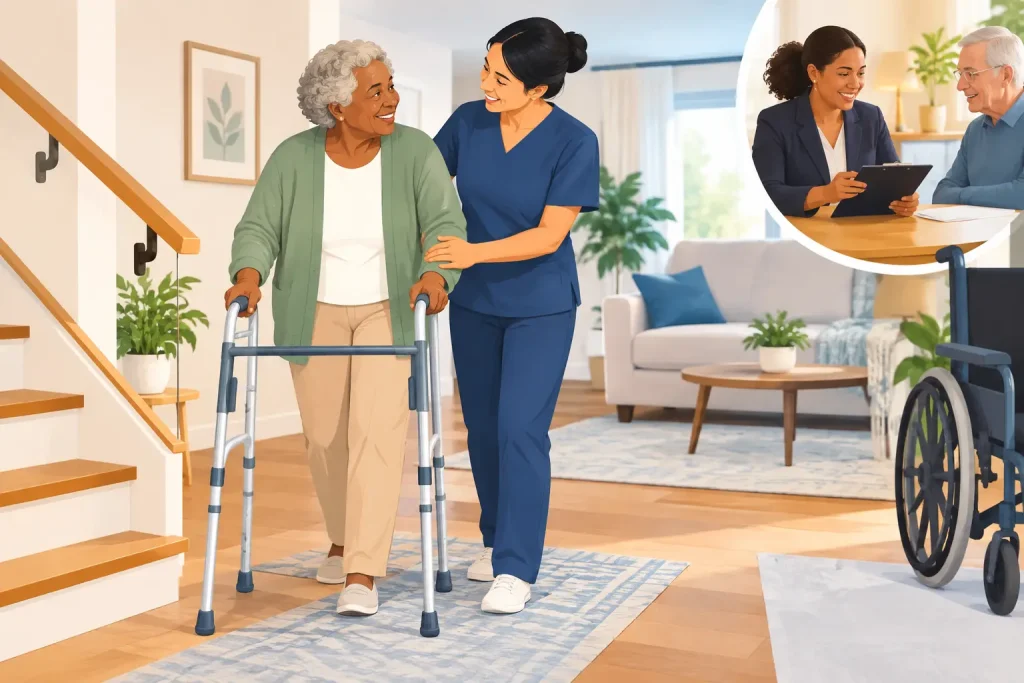
A fall can change an ordinary day in seconds. For an older adult, a person recovering from surgery, or someone living with a disability, the effects may reach far beyond a bruise. Pain, a hospital visit, reduced mobility, and fear of walking alone can all follow. Thoughtful fall prevention helps protect both physical safety and the confidence to continue living as independently as possible.
Falls are rarely caused by just one thing. A loose rug may matter more when someone is tired, a medication causes dizziness, or poor lighting makes a familiar hallway harder to see. The most effective approach is not to make a home feel clinical or restrictive. It is to notice everyday risks and create practical routines that support the person using the space.
Why fall prevention needs a personal plan
Every person has different strengths, health needs, and daily habits. Someone who has always moved independently may need temporary support after a hospital discharge. Another person may have a long-term balance concern, limited vision, arthritis, or difficulty judging distances. A fall prevention plan should respect those differences rather than assume that one solution works for everyone.
Start by thinking about when and where the person feels least steady. Is it getting out of bed at night? Stepping into the shower? Carrying laundry downstairs? Walking to the mailbox? These moments reveal more than a general question about whether the home is safe. They show where a change can have the greatest impact.
It also helps to include the person in every decision. Removing a favorite chair or rearranging a kitchen without discussion can feel discouraging. Small adjustments made together are more likely to become lasting habits.
Make the home easier to move through
Many home hazards are simple to correct, yet they are easy to overlook because they have been there for years. Walk through the home at the time of day the person normally uses each area. Check the route from the bedroom to the bathroom, the front entry, the kitchen, and any stairs.
Good lighting is one of the most practical safety measures. Replace dim bulbs, use bright night-lights in bedrooms and hallways, and make sure light switches are easy to reach. A lamp or switch near the bed can prevent someone from walking through a dark room after waking up.
Clear pathways matter just as much. Electrical cords, small tables, baskets, pet toys, and stacks of mail can create an unexpected obstacle. Floors should be kept dry, especially near entrances, kitchen sinks, and bathrooms. Secure loose carpeting and remove throw rugs that slide or curl at the edges. If a rug is meaningful or necessary, use a secure non-slip backing and check it regularly.
Stairs deserve close attention. Handrails should be sturdy and available for the full length of the staircase when possible. Keep steps free of items waiting to be carried upstairs, and make sure the edges of each step are easy to see. For someone with changing mobility, limiting repeated trips up and down stairs may be safer than relying on caution alone.
Focus on the bathroom and bedroom
Bathrooms combine hard surfaces, water, and frequent transfers from standing to sitting. Grab bars placed correctly near the toilet and in the shower can provide meaningful support. Towel bars are not designed to hold body weight and should never be used in place of a grab bar. Non-slip mats, a shower chair, and a handheld showerhead can also make bathing more manageable for people with limited balance or endurance.
In the bedroom, keep a clear path to the bathroom and place frequently used items within reach. A bed that is too low or too high can make standing difficult. If getting up causes lightheadedness, encourage a slower routine: sit at the bedside for a moment, place both feet firmly on the floor, and stand only when steady.
Support strength, balance, and safe movement
A safer home is valuable, but fall prevention also depends on how a person moves within it. Long periods of inactivity can reduce leg strength and balance, making ordinary tasks more difficult. When cleared by a healthcare professional, gentle movement such as walking, chair exercises, or a therapist-recommended balance program may help maintain mobility.
The right activity depends on the individual. A person with a recent fracture, surgery, heart condition, or significant weakness should not begin a new exercise routine without guidance from their medical team. A physical therapist can assess walking patterns, transfers, stairs, and the safe use of mobility equipment in a way that general advice cannot.
Canes, walkers, and other devices only help when they fit properly and are used consistently. A walker that is too tall, worn rubber tips, or a cane left in another room can create new risks. Encourage the person to keep their mobility device close by, including during nighttime bathroom trips. Shoes matter, too. Well-fitting footwear with non-slip soles is generally safer than loose slippers, socks on smooth floors, or sandals that do not secure the heel.
Review health changes that can raise fall risk
A sudden change in balance should never be dismissed as simply getting older. Dizziness, weakness, pain, numbness, changes in vision, and confusion can all affect safe movement. So can dehydration, low blood pressure, illness, and poor sleep.
Medications are another common factor. Some prescriptions and over-the-counter products may cause drowsiness, dizziness, or a drop in blood pressure when standing. This does not mean a person should stop taking medication on their own. Instead, bring any new symptoms or concerns to a doctor, pharmacist, or prescribing provider for a medication review.
Vision and hearing also influence safety. Updated eyeglasses, appropriate lighting, and regular eye care can help a person notice changes in flooring, steps, and obstacles. For individuals who use bifocals or progressive lenses, stairs and curbs may require extra attention because the lower portion of the lens can alter depth perception.
Build safer daily routines with support
Rushing is a frequent but preventable contributor to falls. A person may hurry to answer the door, get to the bathroom, or carry too many items at once. Building more time into the day can reduce that pressure. Keep a phone within reach, use a bag or basket on a walker if appropriate, and make regular needs easier to access.
Family members often want to help but may not know where support is most useful. Assistance with bathing, dressing, meal preparation, light housekeeping, errands, and safety supervision can reduce the situations that place someone at risk. The goal is not to take over tasks a person can do safely. It is to provide the right amount of help on days or in moments when extra support makes a difference.
For family caregivers, this can also mean recognizing their own limits. A loved one may need more supervision than one person can reasonably provide, especially after a discharge from the hospital or rehabilitation center. Reliable in-home support can offer caregiver relief while helping the individual maintain familiar routines in a setting that feels comfortable.
Comfort Zone Home Healthcare provides compassionate in-home assistance for New Jersey families who need support with daily living, mobility, and safety supervision. Care can be adjusted as needs change, whether someone needs a short period of help after surgery or ongoing assistance at home.
Know when a fall needs urgent care
After a fall, remain calm and assess the situation before helping someone move. If the person has severe pain, may have injured their head, cannot move comfortably, or seems confused, call 911 rather than trying to lift them. Moving someone with a possible injury can cause further harm.
Seek prompt medical guidance after a fall, even when there is no obvious injury, if there are warning signs such as:
- A hit to the head, loss of consciousness, or new confusion
- New weakness, numbness, trouble speaking, or facial drooping
- Chest pain, shortness of breath, or a fainting episode
- Severe hip, back, neck, or limb pain, or an inability to bear weight
A fall without injury still deserves attention. Consider what happened just before it: Was the person dizzy? Did they trip? Was the room dark? Did a medication recently change? Understanding the cause can prevent the next fall.
The most reassuring safety plan is one that fits real life. A clear hallway, a steady handrail, proper footwear, and a little extra support may seem like small details. Together, they can help someone move through the day with greater comfort, dignity, and peace of mind.