
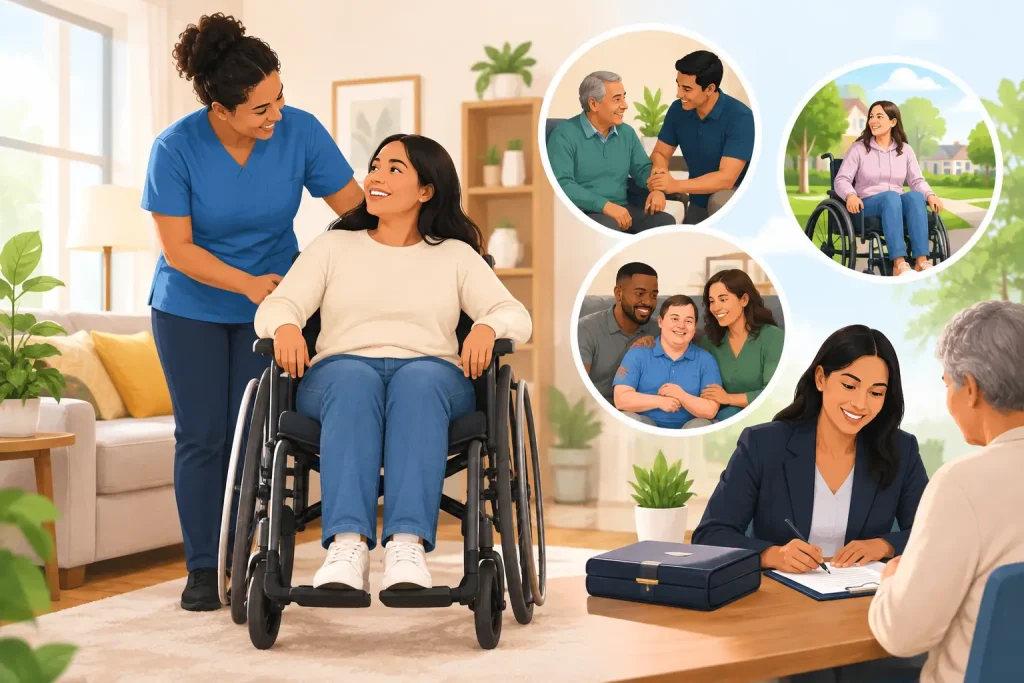
A person may need help getting dressed, managing appointments, or navigating the community without wanting someone else to take over those parts of life. That distinction matters. Learning how to support disability independence means offering the right level of assistance while protecting choice, confidence, privacy, and each person’s role in their own decisions.
Independence does not always mean doing everything alone. For many adults with disabilities, it means having reliable support that makes it possible to direct their day, participate in their community, build skills, and live as fully as possible. Families, caregivers, and support professionals can make a meaningful difference when support is respectful, consistent, and shaped around the individual.
Start With the Person’s Goals and Preferences
The best support begins with listening. Ask what a good day looks like to the person, what they would like to do with less help, and where they feel frustrated or held back. A family member may see preparing meals as the main priority, while the individual may care more about taking public transportation, choosing their own clothes, or joining a local activity.
These conversations should be ongoing, not a one-time planning exercise. Goals can change after a move, a health event, a new job opportunity, or a change in confidence. When a person communicates in a different way, families and support teams can still learn from their routines, body language, choices, trusted advocates, and preferred communication methods.
Choice should remain part of everyday life, including small choices. Selecting breakfast, deciding when to shower, choosing a favorite activity, or deciding who provides personal care may seem ordinary, but these decisions reinforce autonomy. When there are health or safety limits, explain them clearly and offer meaningful alternatives whenever possible.
How to Support Disability Independence Through Daily Routines
Daily activities are often where independence grows. The goal is not to rush through a task for someone because it is faster. Instead, look for ways to break it into manageable steps and provide only the help that is needed.
For example, a person who is working on dressing independently may choose their clothing, sit in a safe location, and complete the parts they can manage while receiving assistance with buttons, shoes, or adaptive equipment. Someone learning meal preparation might start by gathering ingredients, following a picture-based recipe, or using a microwave safely before taking on more complex cooking tasks.
A helpful approach is to pause before stepping in. Allow time for the person to try, problem-solve, and ask for help. Too much assistance can unintentionally communicate, “You cannot do this.” Too little assistance can create frustration or unsafe situations. The appropriate balance depends on the person’s abilities, energy level, health needs, and the activity itself.
Consistency also matters. When routines are predictable, people often feel more comfortable practicing new skills. A visual schedule, reminder system, labeled storage areas, or simple checklist can reduce stress without making a home feel overly controlled. These tools should support the person, not replace their choices.
Respect Privacy During Personal Care
Personal care is especially sensitive. Assistance with bathing, grooming, toileting, dressing, or mobility should always be provided with patience and respect. Explain what you are doing, ask permission before helping, protect privacy, and encourage the person to do the portions of care they can safely complete.
This preserves dignity while allowing caregivers to meet important hygiene, health, and safety needs. It can also help the individual maintain familiar routines that make them feel comfortable and confident.
Build Skills in Real-Life Settings
Skills are most meaningful when they connect to the life a person wants. Practicing money management at a store, communication skills during a community class, or planning skills before an appointment can be more effective than practicing in isolation.
Community-based support can create opportunities to build confidence in everyday situations. This might include visiting a library, participating in recreation, attending faith-based or cultural events, shopping, volunteering, or learning how to use transportation. The right activity depends on personal interests, accessibility needs, and comfort level.
Progress is rarely a straight line. A new task may take several attempts, and a person may need more support on days when they are tired, anxious, ill, or adjusting to change. Celebrate effort and growth without treating every activity as a test. Independence develops best in an environment where it is safe to learn, make choices, and occasionally make mistakes.
Make Safety a Partner, Not a Barrier
Families naturally worry about safety, particularly when a loved one has mobility challenges, complex medical needs, communication differences, or limited awareness of risk. Those concerns are valid. Still, safety planning should expand possibilities rather than automatically restrict them.
Start by identifying specific risks instead of using broad rules. If falls are a concern, consider clear walking paths, proper lighting, mobility support, accessible footwear, and an agreed plan for requesting assistance. If medication management is difficult, reminders, pill organizers, supervision, or coordination with a healthcare provider may help. The solution should match the actual concern.
It is also useful to create a practical emergency plan. The person should know, in a way that works for them, who to contact in an emergency, where important information is kept, and how to communicate key needs. Families may want to review emergency contacts, allergies, medications, mobility needs, and preferred hospitals or providers together.
Risk cannot be removed completely from anyone’s life. A respectful plan recognizes the person’s right to make informed choices while putting reasonable supports in place. Guardians, healthcare professionals, and support coordinators may need to be involved when decisions carry significant legal, medical, or safety implications.
Support Communication and Decision-Making
Communication is central to independence. Give people enough time to respond, avoid speaking over them, and address them directly even when a family member, aide, or interpreter is present. Do not assume that a speech difference, disability, or need for support means the person does not understand or cannot participate in decisions.
Some people benefit from plain-language explanations, written choices, visual supports, assistive technology, or communication devices. Others prefer to talk through decisions with a trusted family member or advocate. Supported decision-making can help a person understand options and consequences without removing their voice from the process.
This is particularly important for healthcare appointments, service planning, housing decisions, employment goals, and financial matters. When documents need to be signed or notarized, make sure the person has the opportunity to understand what they are signing and to participate according to their legal capacity and preferences.
Give Family Caregivers Room to Breathe
Supporting a loved one’s independence can be rewarding, but it can also be demanding. When one caregiver handles personal care, appointments, household tasks, behavior support, and safety supervision every day, burnout can affect the entire household.
Respite and professional support can give caregivers time to rest, work, attend to other family members, or simply recharge. It can also benefit the individual by building comfort with other trusted support professionals and practicing independence outside a parent or relative’s immediate oversight.
For New Jersey families, services such as Individual Supports, Community-Based Supports, Community Inclusion, and respite may be part of a broader plan for eligible adults with developmental disabilities. The details depend on a person’s needs, available funding, and service plan, but the purpose remains the same: support a meaningful life without asking families to carry every responsibility alone.
Choose Support That Encourages, Not Controls
A dependable caregiver or direct support professional does more than complete tasks. They notice what the person can do, offer encouragement without pressure, follow established routines, and communicate concerns to the appropriate family members or care team. They understand that companionship, supervision, and practical help should strengthen a person’s life rather than shrink it.
When considering care, ask how staff approach choice, skill-building, privacy, community participation, and changes in ability. A good provider will recognize that some days call for hands-on help and other days create room for a person to do more independently. Comfort Zone Home Healthcare approaches support with that balance in mind: dependable assistance that respects the individual behind every care plan.
Independence is built in ordinary moments – choosing, trying, learning, resting, and being treated with respect. The most valuable support does not take a person’s life out of their hands. It helps them hold it with greater confidence.