
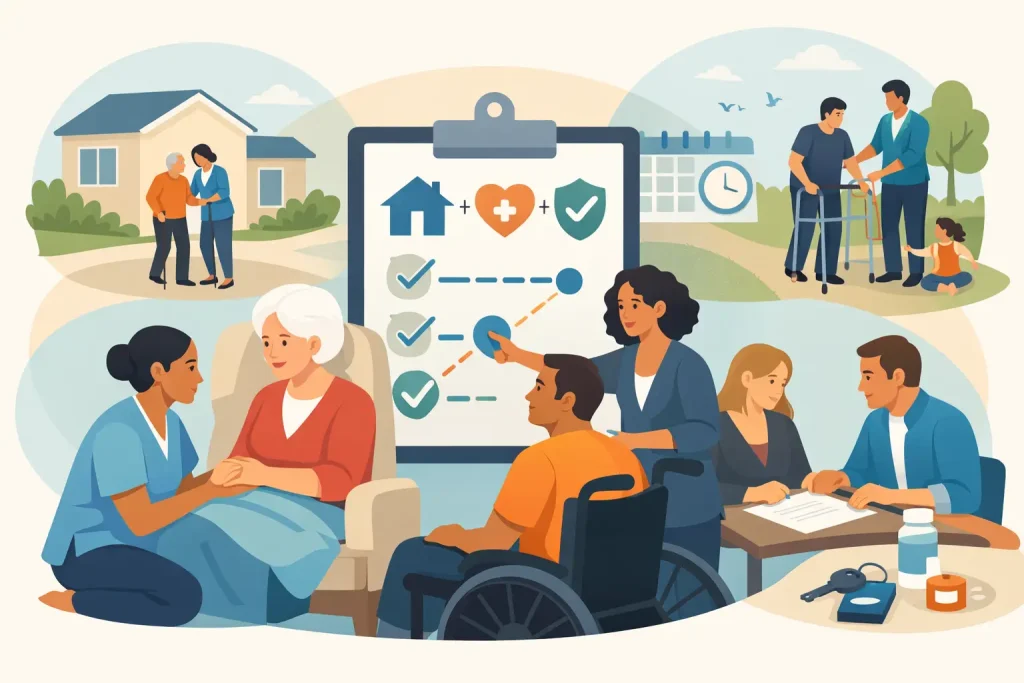
A home care plan should make a difficult season feel more manageable, not turn a family’s daily life into a stack of unanswered questions. Whether a loved one is returning home after surgery, living with a chronic condition, aging in place, or needs support related to a disability, learning how to build a home care plan begins with one clear goal: providing the right help while protecting the person’s dignity, preferences, and independence.
The most useful plans are practical. They identify what must happen each day, who is responsible, what could change, and how everyone involved will communicate. They also leave room for the person receiving care to remain an active part of decisions about their own life.
Start With the Person, Not the Task List
Before listing medications, appointments, or household chores, begin with a conversation. Ask the person receiving care what matters most to them. They may be most concerned about taking a shower safely, preparing familiar meals, getting to a community activity, or simply having someone nearby while family members are at work.
A care plan is more likely to succeed when it reflects the individual’s routines and values. For example, a person recovering from a hip replacement may need morning help with dressing and mobility, but strongly prefer to manage their own breakfast. Someone with developmental disabilities may need skill-building support in the community while still choosing where they would like to go and what activities they enjoy.
Family members, guardians, and caregivers often notice needs that the individual may not mention. Bring those observations into the discussion respectfully. The goal is not to take over. It is to identify where support improves safety, comfort, and confidence.
Assess Needs in Each Part of Daily Life
A clear assessment keeps a care plan from being too vague. Rather than writing “help as needed,” describe what help is needed, when it is needed, and what a successful outcome looks like. Needs may change throughout the day, so consider morning, afternoon, evening, and overnight routines separately.
Start with personal care. Can the person bathe, dress, groom, and use the toilet safely? Do they need hands-on assistance, verbal reminders, supervision, or adaptive equipment? Mobility deserves the same level of attention. Note whether the person uses a cane, walker, wheelchair, transfer belt, or other supports, and whether stairs, loose rugs, or narrow hallways create risks.
Then consider meals, medications, and the home environment. A caregiver may prepare meals, help with grocery shopping, offer medication reminders, complete light housekeeping, or provide safety supervision. Be specific about dietary preferences, food allergies, hydration goals, and any instructions from a physician or dietitian. If medication management is involved, distinguish between a reminder to take a medication and medical tasks that require a licensed professional.
Social and emotional needs belong in the plan as well. Isolation can affect a person’s health and motivation, especially after a hospitalization or major life change. Companionship, conversation, a walk outside, a ride to an appointment, or support with community participation can be just as meaningful as help with household tasks.
How to Build a Home Care Plan Around Safety
Safety is not about making a home feel restrictive. It is about reducing avoidable risks so the person can continue living with greater confidence. Walk through the home and look at it from the perspective of someone who has limited mobility, vision changes, fatigue, memory concerns, or difficulty reaching and bending.
Pay attention to bathroom safety, lighting, clear walking paths, stair railings, smoke detectors, and access to a phone or emergency alert device. Keep frequently used items within easy reach. If the person has fallen recently, becomes dizzy, wanders, or has trouble transferring from bed to chair, include those details in the plan and discuss them with the appropriate healthcare provider.
The plan should also state what to do if something goes wrong. Include emergency contacts, preferred hospital information, allergies, key diagnoses, current medications, and the location of insurance cards or healthcare documents. Make sure family members and caregivers know whom to call for a non-emergency concern versus a medical emergency.
Set a Schedule That Fits Real Life
A care plan needs a rhythm. A schedule helps prevent missed meals, rushed appointments, medication reminders at the wrong time, and confusion about who is expected to help. It does not need to be rigid, but it should be reliable.
Write down the support needed at regular times of day. Morning care may include toileting, bathing, dressing, breakfast, and medication reminders. Afternoon needs may include meal preparation, errands, therapy appointments, or community activities. Evening support may focus on dinner, grooming, preparing for bed, and ensuring the home is safe for the night.
Consider the family’s capacity honestly. Many relatives want to provide all care themselves, but work, children, health concerns, distance, and caregiver fatigue can make that unsustainable. Respite support can give family caregivers time to rest, attend appointments, or simply reset without worrying that their loved one is alone.
For some households, a few scheduled visits each week are enough. Others need daily assistance, extended hours, or overnight supervision. The right arrangement depends on the person’s condition, the home setting, and the availability of informal support.
Define Roles and Communication Clearly
When several people are involved, assumptions can create stress. A good plan identifies who handles which responsibilities. One family member may coordinate medical appointments, another may manage groceries, and a professional caregiver may provide personal care and companionship during scheduled hours.
Keep communication simple and consistent. A shared notebook or secure communication method can document meals, activities, changes in mood, mobility concerns, and reminders for the next caregiver. This is especially helpful when care is shared among adult children, aides, nurses, support coordinators, or guardians.
Respect privacy while keeping the right people informed. The person receiving care should know what information is being shared and with whom whenever possible. If a person has a guardian or authorized representative, make sure the care team understands decision-making responsibilities and any relevant service requirements.
Include Medical, Disability, and Recovery Support Needs
Some home care plans are primarily focused on daily living, while others must coordinate more closely with a hospital discharge plan, therapy recommendations, or disability services. A person returning home after surgery may need temporary assistance with bathing, dressing, meals, transportation, and mobility while they recover.
For individuals receiving New Jersey Division of Developmental Disabilities services, the plan may include Individual Supports, Respite, Community-Based Supports, or Community Inclusion. In these situations, it helps to connect daily support with personal goals. That might mean practicing cooking skills, building confidence using transportation, attending a preferred activity, or participating more fully in the community.
Be clear about the limits of each service. Non-medical home care can provide valuable daily support, but it does not replace skilled nursing, physical therapy, or physician-directed treatment when those services are needed. A well-coordinated plan recognizes where services overlap and where additional clinical guidance is necessary.
Plan for Documents and Important Decisions
Care needs often bring paperwork with them. Hospital forms, advance directives, powers of attorney, insurance documents, and other legal or healthcare-related papers should be organized where authorized family members can find them when needed.
If documents require notarization, plan ahead rather than waiting for a last-minute crisis. Mobile notary services can be especially helpful when a client has limited mobility, is recovering at home, or cannot easily travel. Confirm what identification and witnesses may be required before the appointment, since document requirements can vary.
Review the Plan Before a Small Problem Grows
A home care plan is a working document, not a one-time form. Review it after a hospital discharge, a fall, a medication change, a new diagnosis, a change in mobility, or any sign that the current arrangement is no longer meeting the person’s needs.
Even without a major event, schedule regular check-ins. Ask whether the person feels heard, whether caregivers have enough information, and whether family members are becoming overwhelmed. Small adjustments, such as adding help with meals or increasing companionship visits, can prevent a situation from becoming more difficult later.
Families across New Jersey often find that professional support brings structure and relief during uncertain transitions. Comfort Zone Home Healthcare can help families think through daily routines, personal care needs, respite, and community-based support with a focus on respect and reliability.
The best care plan is not the one with the most details on paper. It is the one that helps a person feel safer in their own home, helps caregivers feel less alone, and makes each day a little more predictable, comfortable, and dignified.