
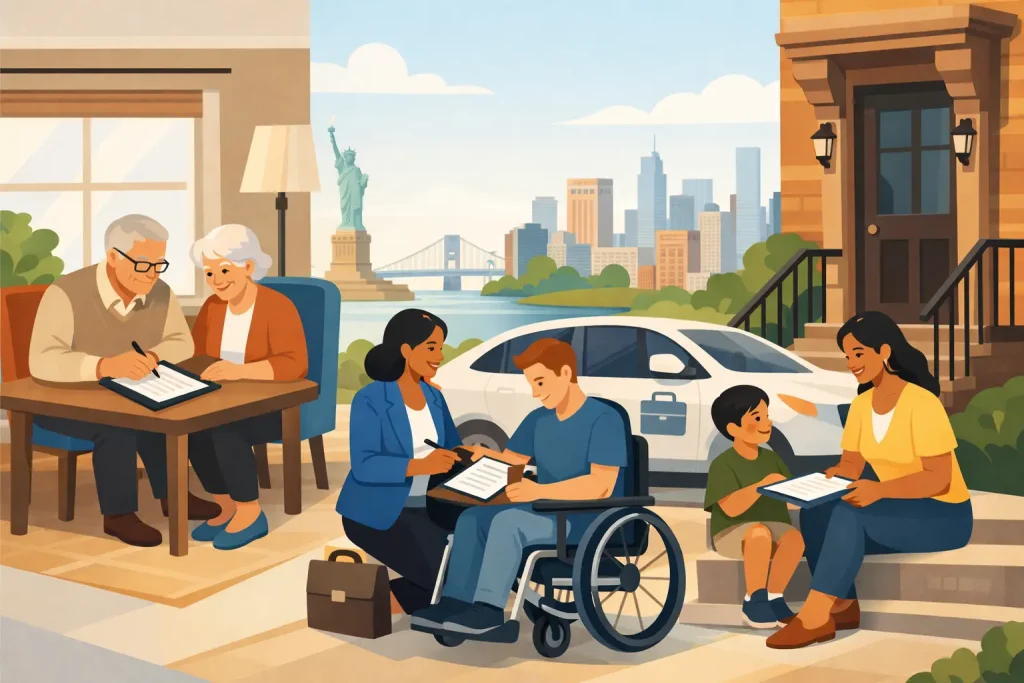
A signature often becomes urgent at the worst possible moment – after a hospital discharge, during a rehab stay, while coordinating care for a parent, or when a family member cannot safely travel. That is when a hudson county mobile notary can make a real difference. Instead of adding another stressful errand, mobile notarization brings the service to the person who needs it, whether that is at home, in a care setting, or another agreed location.
For many families, convenience is only part of the story. The bigger concern is whether the signing can happen calmly, correctly, and with dignity. When health issues, limited mobility, or caregiving demands are involved, the value of a mobile notary is not just speed. It is relief.
Why Hudson County Mobile Notary Services Matter
Hudson County is busy, densely populated, and fast-moving. That can make simple tasks harder, not easier, especially for older adults, people recovering from surgery, adults with disabilities, and caregivers balancing work, appointments, and daily responsibilities. A document that seems straightforward on paper can become difficult when the signer needs assistance getting dressed, cannot manage stairs, or is too medically fragile for unnecessary travel.
A hudson county mobile notary service helps remove that barrier. The notary travels to the client, which can reduce delays and prevent avoidable strain. In many cases, that means important paperwork gets completed in the environment where the signer is most comfortable.
There is also a practical side. Families are often coordinating several moving parts at once – medical care, discharge planning, insurance questions, transportation, and legal or financial paperwork. When notarization can happen where the person already is, the process tends to feel more manageable.
What a Mobile Notary Usually Helps With
Mobile notaries may assist with many kinds of documents, provided the notarization is legally appropriate and the signer meets the necessary requirements at the time of signing. That can include powers of attorney, affidavits, consent forms, certain healthcare-related documents, and general personal paperwork.
That said, not every document follows the same rules. Some forms require witnesses in addition to notarization. Some may need specific certificate wording. Others may involve legal questions that a notary cannot answer unless the notary is also a licensed attorney acting in that separate role.
This is where families sometimes get frustrated. They assume the notary will tell them which document they need or whether the form itself is legally sufficient. A notary’s role is narrower than that. The notary verifies identity, confirms willingness, and completes the notarial act. Choosing the right document is usually the responsibility of the signer, family, attorney, facility, or agency involved.
What to Expect From a Hudson County Mobile Notary Appointment
Most appointments are simple, but they go more smoothly when everyone understands the process ahead of time. The notary will usually confirm the location, the type of notarization requested, and whether the signer has acceptable identification. The signer should avoid signing too early unless instructed otherwise, because many documents must be signed in the notary’s presence.
At the appointment, the notary checks identification, confirms that the signer appears aware of what they are signing, and looks for signs that the person is acting voluntarily. This matters in every setting, but especially in homes, hospitals, nursing facilities, and rehabilitation centers where health conditions may affect communication or decision-making.
If the signer is alert, willing, and properly identified, the notarization can typically proceed. If any of those pieces are missing, the notary may need to stop. That can be disappointing for families under pressure, but it protects everyone involved.
Capacity, Consent, and Sensitive Situations
This is one of the most important parts of mobile notarization, especially for healthcare-related signings. Families sometimes assume that because a document is needed urgently, it can be signed on behalf of a loved one who is confused, heavily medicated, unconscious, or otherwise unable to understand the transaction. In many cases, it cannot.
A notary is not there to force a signing through. The signer generally must be able to demonstrate awareness and willingness in that moment. The standard is not perfection, and every situation is different, but if the person cannot communicate basic understanding, the notarization may need to wait or be handled another way.
This is where a compassionate, respectful approach matters. A good mobile notary understands that families may be dealing with fear, grief, exhaustion, or time-sensitive decisions. The process should feel professional and calm, not rushed or confrontational.
Preparing for the Appointment
A little preparation can prevent delays. The most helpful step is making sure the document is complete before the notary arrives, with any blank spaces addressed according to the instructions from the document preparer. The signer should also have current, acceptable identification ready if required.
It also helps to think about the environment. Is the signer rested enough to participate? Is there a quiet place to review the document? If the signing is happening in a care facility, are there visitor procedures or timing restrictions to consider? These details can affect whether the appointment feels smooth or stressful.
For families arranging a signing for a parent or relative, it is wise to explain the purpose of the visit in simple terms before the notary arrives. That conversation should be respectful and pressure-free. If the signer seems uncertain or resistant, it is better to address that early than at the last minute.
When In-Home Notarization Is Especially Helpful
The value of mobile notarization becomes clear when travel creates hardship. Seniors with fall risk, clients recovering from surgery, and medically fragile individuals may not be able to leave home safely just to sign a document. The same is true for people who rely on caregivers for transfers, mobility support, or supervision.
In-home service can also help family caregivers who are already stretched thin. Taking time off work, arranging transportation, and coordinating around medical routines may turn a short errand into an all-day disruption. Bringing the notary to the home reduces that burden.
In Hudson County, where parking, traffic, and building access can all complicate appointments, the practical benefit is even more noticeable. What might take minutes in theory can take hours in real life.
A Service That Should Feel Respectful, Not Transactional
For some people, notarization is a routine business task. For others, it happens during vulnerable moments – estate planning, medical decision-making, caregiving transitions, or recovery after illness. The service should reflect that difference.
A thoughtful mobile notary does more than arrive on time and stamp a document. The experience should feel organized, patient, and respectful of the signer’s circumstances. That does not mean ignoring legal standards. It means carrying them out in a way that supports dignity.
This is especially important when serving older adults, adults with disabilities, and families navigating care needs. A rushed or overly mechanical approach can increase confusion and stress. A calm explanation of the process, clear communication, and attention to the client’s comfort go a long way.
Choosing the Right Hudson County Mobile Notary
Not every notary is the right fit for every situation. If the document involves a healthcare setting, limited mobility, or a client with special support needs, experience in those environments matters. Reliability matters too. Families and professionals often need someone who communicates clearly, respects schedules, and understands the importance of handling sensitive appointments with care.
It is also worth asking practical questions ahead of time. Can the notary travel to the needed location? Are they familiar with facility signings? What identification is required? Will witnesses be needed, and if so, who will provide them? These details may seem small until they cause a delay.
Comfort Zone Home Healthcare serves New Jersey families with a strong understanding of how care needs and document needs can overlap. That perspective can be especially meaningful when a notarization is part of a larger caregiving situation rather than a simple stop on a to-do list.
The Best Mobile Notary Service Is the One That Reduces Stress
People usually do not search for a mobile notary because life is easy that week. They search because something needs attention now, and getting it done should not require risking a fall, exhausting a caregiver, or adding confusion to an already difficult day.
A dependable hudson county mobile notary service helps bring order to that moment. It supports families, respects the signer, and makes an important task feel manageable again.
If you are arranging notarization for yourself or someone you care for, the best next step is often the simplest one – choose a service that treats the document seriously and the person signing it with equal care.