
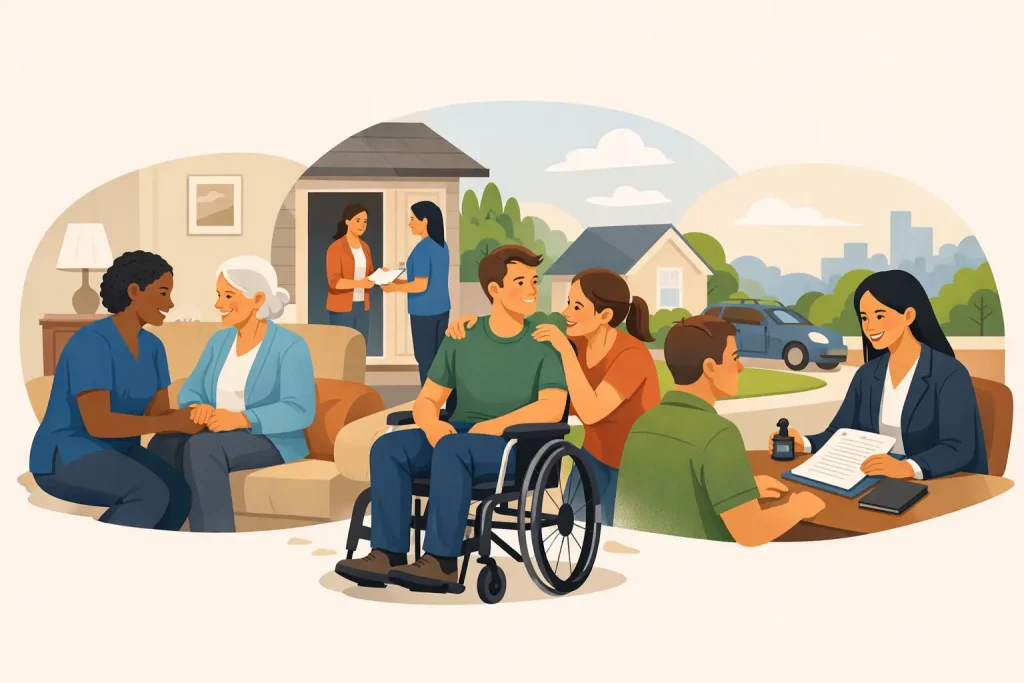
A parent who once managed every household detail may suddenly need help getting safely through the morning. A loved one leaving rehab may be medically cleared to go home but still unable to prepare meals, shower independently, or remember each medication reminder. In these moments, a Passaic County in-home aide can provide practical support while helping the person remain in the place that feels most familiar: home.
The right care is not about taking over someone’s life. It is about making daily life safer, more manageable, and more comfortable while respecting routines, preferences, and independence. For many families, consistent in-home support also brings something equally valuable: peace of mind.
What a Passaic County In-Home Aide Can Do
An in-home aide provides non-medical assistance with the everyday activities that can become difficult because of aging, disability, illness, surgery, or limited mobility. Care plans should reflect the individual rather than follow a one-size-fits-all routine. One client may need a few hours of help after a hospital discharge, while another may benefit from regular assistance over the long term.
Support commonly includes personal care such as bathing, dressing, grooming, toileting, and mobility assistance. An aide may also prepare simple meals, offer medication reminders, help with light housekeeping, run essential errands, and provide companionship. Safety supervision can be especially helpful for someone with fall concerns, memory changes, or difficulty being alone for extended periods.
The presence of a caring aide can make a meaningful difference without removing a client’s sense of control. A thoughtful caregiver asks how a person prefers things done, encourages them to do what they can safely manage, and steps in where assistance is needed. That balance matters. Independence does not always mean doing everything alone. Sometimes it means having the right support to continue living according to one’s own routines.
When Families Often Consider In-Home Care
Families do not always begin looking for care because of a single crisis. Sometimes the need develops gradually. Perhaps groceries are going unused, laundry is piling up, personal hygiene has become inconsistent, or a family member is calling several times a day to check whether a loved one has eaten.
Other times, the need is immediate. A hospital or rehabilitation discharge can leave families with little time to coordinate transportation, meals, personal care, and supervision. An in-home aide can ease the transition home by helping the client settle into a safe routine during recovery.
Caregiver strain is another common reason to seek support. Family caregivers often want to do everything themselves, but the demands can become physically and emotionally exhausting. Respite care gives a family caregiver time to rest, attend appointments, work, or simply spend time with other family members. Accepting help is not a sign of failing a loved one. It can be a practical way to sustain care over time.
Choosing the Right Level of Help
The amount of care needed depends on the person’s abilities, health situation, household setup, and available family support. Some people need help for a short part of the day, such as a morning routine or evening meal. Others may require longer shifts or more frequent supervision.
Start by considering the moments when support is most needed. Is getting in and out of the shower unsafe? Is meal preparation becoming difficult? Does the client need someone present while a family caregiver is at work? Are there concerns about wandering, falls, isolation, or missed routines? Clear answers help create a care plan that is useful rather than excessive.
It is also wise to distinguish non-medical home care from skilled medical care. In-home aides can assist with personal care, household routines, reminders, and companionship, but they do not replace nursing or emergency medical services. A client with complex medical needs may require coordination among family, physicians, nurses, therapists, and home care providers. The best plan is often a team effort.
Support After Surgery or Rehab
Recovery at home can be more difficult than families expect. Even when a procedure goes well, pain, fatigue, restricted movement, and temporary confusion can make routine tasks challenging. An aide can help with safe mobility, meals, personal care, and light household tasks while the client regains strength.
For post-surgical clients, families should ask the discharge team about mobility precautions, bathing instructions, dietary needs, follow-up appointments, and warning signs that require medical attention. Sharing relevant instructions with the home care provider helps everyone work toward the same recovery goals.
Support for Adults With Developmental Disabilities
In-home support can also be meaningful for adults with developmental disabilities who want to build daily living skills, participate in their communities, and maintain greater independence. Depending on the person’s approved plan and needs, services may include Individual Supports, Respite, Community-Based Supports, or Community Inclusion.
The focus should be person-centered. That may mean practicing meal preparation, organizing a schedule, attending community activities, developing communication skills, or receiving supervision and encouragement at home. Families and guardians can benefit from caregiver relief as well, particularly when support needs are ongoing.
Questions to Ask Before Selecting an Agency
Trust is central when inviting someone into a home. Families should feel comfortable asking direct questions and should expect clear, respectful answers. Before choosing a provider, ask how caregivers are screened, trained, and matched with clients. Learn how the agency communicates schedule changes, handles concerns, and responds if a caregiver is unavailable.
It is also helpful to ask how the care plan is created and reviewed. Needs can change after a fall, a hospitalization, a medication adjustment, or a decline in mobility. A provider should be prepared to listen and adapt when circumstances change.
Consider practical details as well. Confirm the service area, scheduling options, payment arrangements, and whether the agency works with private-pay clients, Medicaid-supported clients, or applicable programs. For families coordinating several services, reliable communication with social workers, support coordinators, discharge planners, or guardians can reduce confusion and prevent important details from being missed.
Comfort Zone Home Healthcare approaches care with the understanding that trust is earned through consistency, clear communication, and respect for each client’s dignity. The goal is not simply to fill a shift. It is to provide support that helps clients and families feel heard, safe, and cared for.
Making the First Days of Care Easier
The first visit can feel unfamiliar, especially for a client who values privacy or has never accepted help before. A small amount of preparation can make the transition more comfortable. Share the client’s preferred routine, food choices, mobility needs, communication style, and meaningful interests. If the client prefers a quiet morning, enjoys a particular television program, or wants clothing arranged a certain way, those details matter.
It can also help to create a simple list of emergency contacts, allergies, physician information, and household instructions. Keep walkways clear, secure loose rugs when possible, and make frequently used items easy to reach. These steps support safety while making it easier for the aide to focus on the person rather than searching for essentials.
Whenever possible, include the client in the conversation from the start. Ask what kind of help feels welcome and what they would rather continue doing independently. Care works best when it is built with the person, not merely arranged for them.
A Familiar Home Can Still Be a Supported Home
Choosing in-home care is often a deeply personal decision. Families may feel uncertain about timing, cost, privacy, or whether a loved one will accept help. Those concerns are understandable, and there is no single answer that fits every household.
What matters is recognizing when daily challenges are affecting safety, health, comfort, or family well-being. The right Passaic County in-home aide can offer steady assistance without losing sight of the person behind the care needs. With respectful support, home can remain a place of familiar routines, meaningful choices, and connection.