
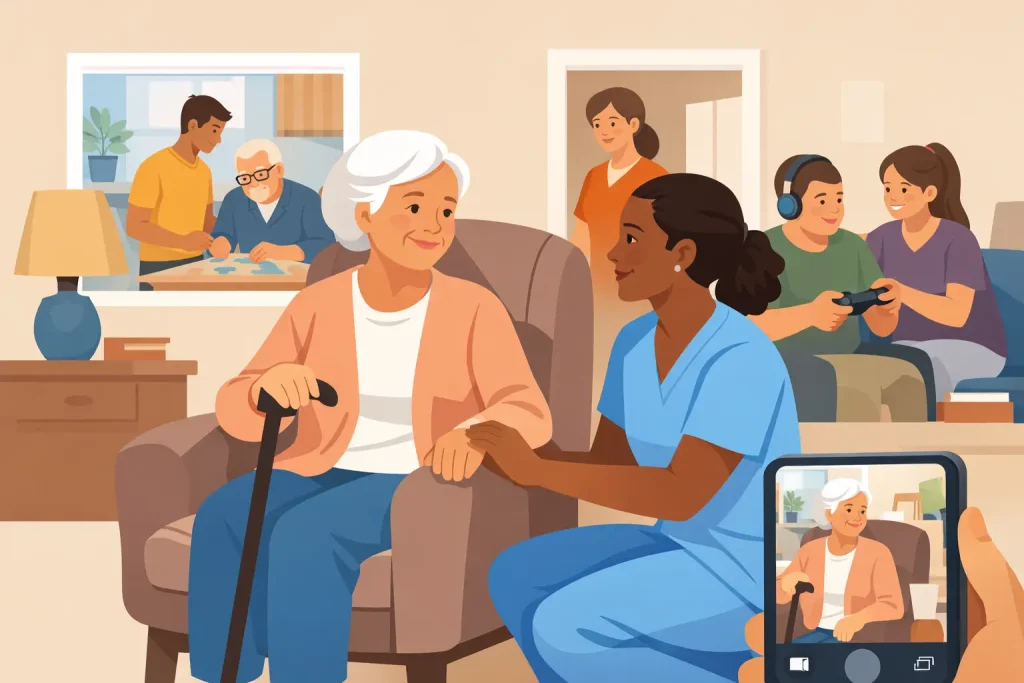
A familiar home can be the place where an older adult feels most comfortable, capable, and connected to the life they have built. But a family may begin to notice small changes: a missed medication, a stove left on, an unexplained bruise, or a loved one who seems less steady getting out of bed. These moments often raise a difficult question: when do seniors need in-home supervision?
The answer is not always tied to a diagnosis or a person’s age. In-home supervision may be appropriate when a senior can still benefit from living at home but needs regular oversight to stay safe, manage daily routines, or avoid becoming isolated. The goal is not to take away independence. It is to provide the right amount of support so independence can continue safely and with dignity.
When Do Seniors Need In-Home Supervision?
Seniors may need supervision when everyday risks are becoming harder for them to recognize, prevent, or handle alone. Sometimes the need develops gradually as memory, mobility, vision, strength, or judgment changes. In other cases, it begins suddenly after a hospitalization, surgery, illness, fall, or medication change.
Supervision can look very different from one person to another. One senior may only need a caregiver nearby while bathing and preparing meals. Another may need someone to check in daily, provide medication reminders, and make sure they do not wander outdoors. A person recovering from surgery may need short-term help getting safely around the home until they regain strength.
The right level of care depends on the senior’s health needs, home environment, daily habits, and available family support. What matters most is whether being alone creates a meaningful risk to their safety or well-being.
Signs That Extra Oversight May Be Needed
A single mistake does not necessarily mean a senior can no longer be left alone. Everyone has an off day. However, repeated concerns, close calls, or changes that affect daily functioning deserve attention. Families should take notice when they see patterns such as:
- Falls, near-falls, unsteady walking, or difficulty transferring from bed, chair, or toilet
- Confusion about time, place, appointments, familiar routines, or how to use household items
- Missed medications, double doses, trouble reading prescription labels, or difficulty following care instructions
- Forgotten meals, spoiled food, dehydration, unexplained weight loss, or poor nutrition
- Burned pots, unsafe use of appliances, doors left unlocked, or other household safety concerns
- Wandering, getting lost in familiar places, or attempting to leave home when it is unsafe to do so
- Poor personal hygiene, wearing unsuitable clothing, or difficulty with bathing, dressing, and toileting
- Increased loneliness, withdrawal from activities, depression, or anxiety when left alone
It can also be helpful to pay attention to what a senior says. Comments such as “I do not feel safe in the shower,” “I keep forgetting things,” or “I am afraid of falling at night” should be taken seriously. Many older adults work hard to hide their struggles because they are concerned about burdening family or losing control over their choices. A calm, respectful conversation can reveal needs that are not obvious during a short visit.
Supervision Is Different From Taking Over
Families sometimes hesitate to bring in help because they worry supervision will feel intrusive. That concern is understandable. Good in-home supervision should be person-centered, not controlling.
A caregiver can offer a reassuring presence while encouraging the senior to do what they can safely do for themselves. For example, a senior may still choose their own clothes and dress independently, while a caregiver remains nearby in case balance becomes a concern. They may prepare part of a meal while receiving help with chopping, carrying hot items, or making sure the kitchen is turned off afterward.
This approach protects safety without treating an adult like a child. It also preserves familiar routines, preferences, and a sense of purpose. The best care plans begin with the question, “What support would help you feel safe and comfortable at home?”
Situations That Often Call for Supervision
After a Hospital Stay or Surgery
The period after discharge can be especially vulnerable. A senior may be weaker than usual, adjusting to new medications, dealing with pain, or managing instructions that feel overwhelming. Even a person who was fully independent before surgery may temporarily need help with mobility, meals, bathing, medication reminders, and fall prevention.
Families should not assume that a discharge home means a person is ready to be alone for long periods. Recovery often goes more smoothly when someone can observe changes, encourage rest and hydration, and help the senior follow their care routine.
With Memory Loss or Dementia
Memory loss affects more than remembering names or dates. As cognitive changes progress, a person may lose the ability to judge risks, follow multistep tasks, manage medication, or respond appropriately during an emergency. They may become confused at night, leave the home unexpectedly, or become frightened in familiar surroundings.
The amount of supervision needed varies. Early memory changes may call for scheduled check-ins and help with routines. More advanced dementia may require close, consistent supervision to prevent wandering, unsafe cooking, falls, or medication errors. Families should reassess needs regularly because changes can happen over time.
Following Falls or Mobility Changes
A fall can change a senior’s confidence as much as it changes their physical ability. After one fall, a person may start moving less, which can lead to more weakness and a greater chance of falling again. Fear of falling may also cause someone to skip showers, avoid stairs, or stop leaving the home.
In-home support can make daily movement safer. A caregiver may assist with transfers, provide steadying support during walking, keep pathways clear, and remain nearby during personal care. This helps seniors stay active while reducing unnecessary risk.
When Family Caregivers Are Stretched Too Thin
A dedicated family caregiver cannot be available every hour of every day. Work, children, personal health needs, and distance can make it difficult to provide consistent supervision alone. Caregiver fatigue can build quietly, especially when someone is trying to manage overnight concerns, frequent phone calls, and constant worry about what might happen while they are away.
Adding professional support is not a sign that a family has failed. It can be a practical way to give the senior dependable care while allowing relatives to remain loving family members, not exhausted around-the-clock caregivers. Respite care can be especially valuable when families need time to rest, attend appointments, or simply recharge.
How to Decide What Level of Help Is Right
Start by looking at the senior’s typical day, not just their best day. Consider whether they can safely get out of bed, use the bathroom, eat and drink regularly, manage medications, move through the home, and respond if something unexpected happens.
Then consider timing. Some seniors need help only in the morning or evening, when bathing, dressing, meals, and medications are most challenging. Others benefit from daytime companionship and safety checks while family members are at work. Overnight supervision may be appropriate when there is wandering, frequent toileting, confusion, fall risk, or a medical concern that requires prompt attention.
A home care assessment can help families turn broad worries into a practical plan. It identifies the senior’s strengths, routines, risks, and personal preferences. From there, care can be arranged for a few hours, daily visits, overnight coverage, or more consistent support as needs change.
Starting the Conversation With Respect
A conversation about supervision can feel emotional, particularly if the senior sees it as a loss of independence. Choose a quiet time when no one is rushed, and begin with observations rather than criticism. “I noticed you seemed unsteady in the shower, and I want to make sure you feel safe” is often more helpful than “You cannot be alone anymore.”
Include the senior in decisions whenever possible. Ask what tasks feel difficult, what time of day they would like help, and what kind of caregiver support would feel comfortable. If they are hesitant, a short trial schedule may feel less overwhelming than a major change all at once.
For families across New Jersey, Comfort Zone Home Healthcare provides compassionate in-home support designed around each client’s routines, needs, and dignity. Care can include personal care assistance, meal preparation, medication reminders, mobility support, companionship, light housekeeping, errands, and safety supervision.
The need for supervision does not erase a senior’s abilities or their right to make choices. With thoughtful support, many older adults can continue enjoying the comfort of home while their families gain reassurance that someone is there when it matters most.