
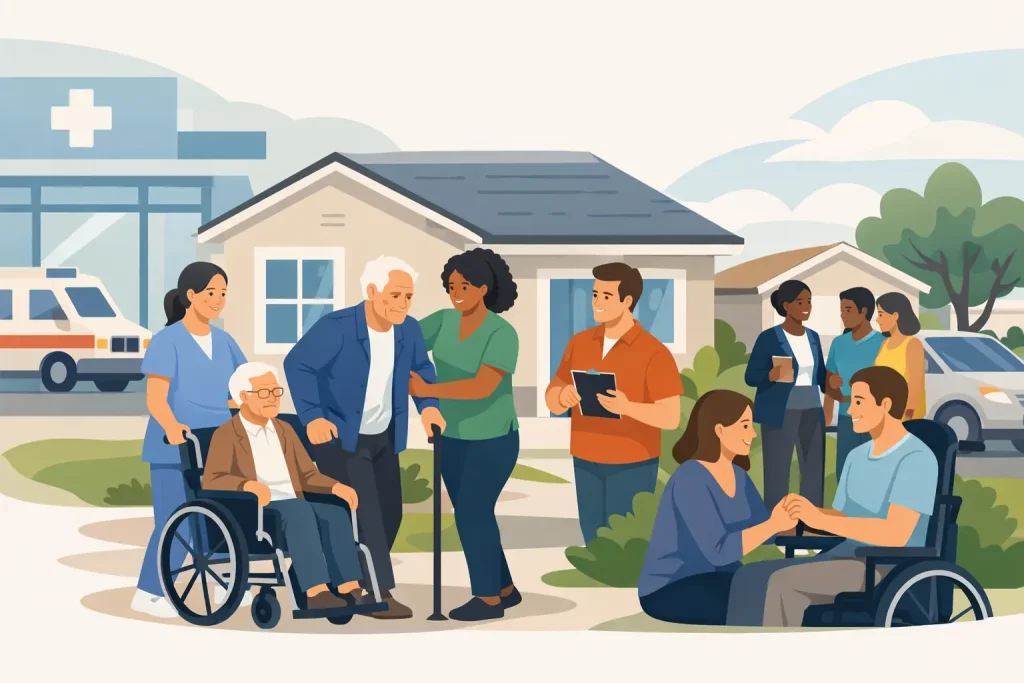
The ride home from the hospital can feel longer than usual. A discharge packet may be in your lap, medications may have changed, and everyone is trying to remember what the nurse said about follow-up care. That is exactly when hospital discharge home care support becomes more than a convenience. It becomes the bridge between medical treatment and a safer, steadier recovery at home.
For many families, the hardest part is not the hospital stay itself. It is the first few days after discharge, when routines are disrupted and small tasks suddenly matter a great deal. Getting to the bathroom safely, eating enough, remembering medication times, keeping the home calm and clean, and noticing early signs that something is not right can all affect recovery.
What hospital discharge home care support really includes
Hospital discharge home care support is not one single service. It is a practical layer of help that meets a person where they are after a hospital or rehab stay. For one client, that may mean assistance with bathing, dressing, and safe mobility after surgery. For another, it may mean supervision, meal preparation, medication reminders, and companionship after an illness that left them weak or confused.
The common goal is simple. The person coming home should not feel unsupported, and the family should not feel like they have to figure everything out alone.
In a home care setting, support often includes help with personal care, walking and transfers, toileting, grooming, light housekeeping, and preparing meals that fit recovery needs. It may also include safety supervision, especially for seniors, medically fragile individuals, or adults who are at risk for falls. Some families also need respite during this period, particularly when a spouse or adult child is trying to manage work, childcare, and caregiving at the same time.
Why the first 72 hours matter most
The first few days after a discharge are often when problems show up. Pain may be harder to manage than expected. Stairs may feel unsafe. A patient may be too tired to eat, drink enough water, or follow instructions consistently. Even a well-organized family can feel overwhelmed when care needs shift quickly.
This is where planning ahead makes a real difference. If support is in place before the person arrives home, the transition is calmer. There is less scrambling for supplies, less confusion around scheduling, and a better chance that instructions will be followed closely.
That does not mean every discharge requires the same level of care. Some people need only short-term support for a week or two. Others need longer assistance because of age, disability, cognitive changes, or limited family availability. The right plan depends on the person’s condition, home environment, and ability to manage daily routines safely.
Signs a loved one may need support after discharge
Some families assume they can manage on their own, then realize a day later that the situation is more demanding than expected. That is common, especially when the person being discharged wants to appear more independent than they truly are.
A few signs usually point to the need for added support. If your loved one needs help getting in and out of bed, has trouble walking safely, forgets instructions, seems unusually weak, or cannot manage personal hygiene without assistance, home care can reduce risk and stress. The same is true if meals are being skipped, medications are becoming confusing, or the primary family caregiver is already stretched thin.
Sometimes the need is less physical and more emotional. After a hospital stay, many people feel anxious, disoriented, or discouraged. A calm, dependable caregiver can bring structure to the day and provide reassurance without taking away dignity.
How families can prepare for a safe return home
The best discharge experiences usually begin before the patient leaves the facility. Ask clear questions while you still have access to the care team. Find out what the person can do independently, what restrictions are in place, and what warning signs should prompt a call to the doctor.
It also helps to look at the home with fresh eyes. A bathroom that once seemed manageable may now need grab bars, a shower chair, or closer supervision. A bedroom on the second floor may not be practical right away. Area rugs, cluttered walkways, and poor lighting can turn an ordinary recovery into a fall risk.
Families should also make a realistic plan for the basics. Who will help with bathing? Who will prepare meals? Who will be there if the person needs help at night? Who is tracking medications and appointments? When these answers are vague, stress tends to rise quickly.
The role of non-medical home care after discharge
Many people hear the term home care and immediately think of medical treatment. In reality, non-medical home care often fills the gap families feel most strongly after discharge. A person may no longer need hospital-level treatment, but they may still need hands-on help with daily living.
That distinction matters. Recovery at home is not just about clinical instructions. It is also about whether someone can bathe safely, get dressed without strain, eat regular meals, move around the house, and stay clean and comfortable. These are not minor concerns. They affect confidence, energy, and overall stability.
For post-surgical clients, support may center on mobility, hygiene, and household help while strength returns. For seniors, it may include a close eye on safety and routine. For adults with disabilities or medically fragile individuals, discharge support may need to be more individualized, with attention to supervision, communication, and continuity of care.
Working with discharge planners and family caregivers
Good outcomes usually come from coordination. Hospital discharge planners, social workers, family members, and home care providers all see a different part of the picture. When those pieces come together, care feels smoother and more consistent.
Families should not hesitate to share practical concerns. If no one is available during the day, say so. If the patient lives alone, mention it clearly. If there are memory issues, stairs, language needs, or caregiver burnout, those details matter. A discharge plan that looks fine on paper may not work well in real life unless those factors are addressed.
For caregivers, there is also an emotional piece that often goes unspoken. Many feel guilty asking for help. They want to do everything themselves, especially after a serious illness or surgery. But support is not a sign of failure. It is often the most responsible way to protect both the recovering person and the family member trying to care for them.
Choosing hospital discharge home care support that fits
Not every family needs round-the-clock care, and not every recovery follows the same path. Some people benefit from a few hours of support in the morning and evening. Others need more consistent supervision, at least temporarily. The right approach depends on energy level, fall risk, cognitive status, and how much help is available at home.
When evaluating hospital discharge home care support, look for clarity and responsiveness. Families should understand what services are being provided, how schedules are handled, and how changes in condition are communicated. Compassion matters, but so does reliability. A warm presence is valuable, yet consistency is what helps routines hold together during recovery.
It can also help to choose a provider that understands the pressures around discharge transitions. In New Jersey, families often need support that starts quickly and adjusts as recovery progresses. Comfort Zone Home Healthcare serves clients across the state with a focus on dependable, respectful care that supports safety, comfort, and independence at home.
Recovery at home should feel supported, not uncertain
A hospital discharge can mark progress, but it also begins a new phase that asks a lot from patients and families. The goal is not just getting home. The goal is staying safe, preserving dignity, and giving recovery the steadiness it needs.
The right support can ease that first difficult week, reduce strain on loved ones, and help the person coming home feel cared for in familiar surroundings. When help is thoughtful, consistent, and centered on the individual, home starts to feel less like a challenge and more like the place where healing can truly continue.


Pingback: What Light Housekeeping for Seniors Covers – Comfort Zone Health