
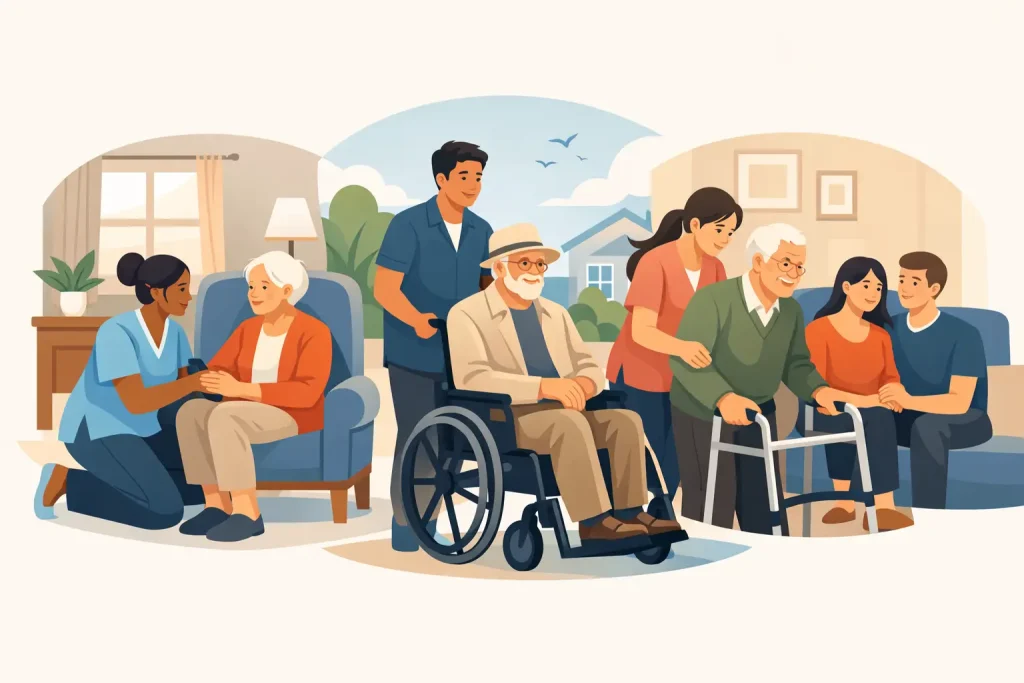
A daughter notices the little changes first. Her father is still sharp, still wants his coffee just so, still insists he can manage on his own. But getting in and out of the shower takes longer now. Buttons are harder. Standing at the stove is tiring. This is often the moment families begin looking into personal care assistance for elderly loved ones – not because a parent has given up independence, but because the right support can help protect it.
Personal care is one of the most practical and meaningful forms of in-home support. It helps with the daily tasks that many people quietly struggle with as they age, especially after illness, surgery, or a gradual decline in strength and balance. When done well, it is not intrusive. It is respectful, steady, and tailored to the person receiving care.
What personal care assistance for elderly adults really includes
Many families hear the phrase and assume it means medical care. Usually, it does not. Personal care assistance focuses on non-medical support with activities of daily living, along with supervision and routine help that makes the day safer and more manageable.
That may include bathing, dressing, grooming, toileting, mobility assistance, meal preparation, medication reminders, light housekeeping, and help moving safely from bed to chair or from room to room. Some older adults need hands-on support every day. Others need only a little help in the morning, after a hospital discharge, or a few times a week.
The level of assistance matters. A senior who only needs standby help in the bathroom has different needs than someone with advanced weakness, memory loss, or high fall risk. Good care starts with understanding that difference rather than assuming every older adult needs the same type of help.
Why this kind of support matters so much at home
Families often wait until there is a crisis – a fall, a missed medication, a skipped meal, or a difficult recovery after surgery. In reality, personal care is often most effective before a crisis happens.
Help with bathing and toileting can reduce fall risk in the most dangerous parts of the home. Assistance with dressing and grooming can preserve comfort and self-respect. Meal preparation can support nutrition when cooking has become tiring or unsafe. Even light housekeeping matters more than people realize, since clutter, laundry on the floor, and poor household upkeep can quickly affect safety.
There is also the emotional side. Many older adults feel frustrated when ordinary tasks become hard. They may accept help more easily when it comes from a trained caregiver who can support them calmly and respectfully, rather than from an adult child who is juggling work, parenting, and worry. That shift can ease tension in the family and allow loved ones to spend more time being family instead of managing every task.
Signs a loved one may need personal care assistance for elderly support
The need is not always obvious. Some seniors minimize their struggles because they do not want to worry anyone. Others are determined to stay private, even when daily routines have become unsafe.
A few patterns tend to stand out. You may notice the same clothes being worn repeatedly, changes in hygiene, bruises from minor stumbles, unopened food, missed appointments, or growing fatigue with simple tasks. A parent may stop bathing regularly because getting into the tub feels risky. They may avoid going upstairs, delay laundry, or rely on snacks because cooking a meal feels like too much.
Recovery periods are another common turning point. After a hospitalization or surgery, even a normally independent older adult may need temporary help with dressing, walking, personal hygiene, and meal routines. In these situations, short-term support can prevent setbacks and make the return home smoother.
Memory changes can complicate things too. A person with early cognitive decline may still appear capable in conversation while forgetting to change clothes, eat properly, or use the bathroom safely. This is where observation and consistency become just as important as physical assistance.
Choosing care that protects dignity, not just safety
Families understandably focus on whether a caregiver can do the job. That matters, but skill is only part of the picture. Personal care involves private, sensitive tasks. The way support is given matters almost as much as the tasks themselves.
Older adults are more likely to accept care when they feel respected and included. That means explaining what is being done, honoring preferences, keeping routines familiar, and avoiding a rushed or controlling approach. A caregiver should help the client maintain as much independence as possible, even if that means allowing extra time for someone to wash their face, choose clothing, or walk slowly with support.
This is also why compatibility matters. Some clients value quiet and routine. Others do better with a warm, conversational caregiver. Some need strong mobility support. Others mainly need gentle cueing and supervision. The best fit is rarely one-size-fits-all.
What families should ask before starting services
When exploring home care, it helps to look beyond availability and price alone. Families should understand what type of assistance is being offered, how care plans are built, and how changes in condition are handled.
Ask how the agency assesses care needs and whether services can adjust over time. A senior may begin with help three mornings a week and later need more frequent support. Ask about caregiver supervision, communication with families, reliability of scheduling, and what happens if the regular caregiver is unavailable.
It is also wise to clarify the boundaries of service. Personal care aides can provide valuable support, but they are not a substitute for skilled nursing when medical needs become more complex. A trustworthy provider will be clear about what they can do and when another level of care may be appropriate.
For families in New Jersey, it may also be helpful to ask whether the provider works with private-pay clients, Medicaid-supported clients, or discharge-related care needs. Practical details can shape what kind of support is realistic and sustainable.
When a few hours of help can change everything
One of the biggest misconceptions is that home care must start as an all-day service. In many cases, a few well-timed hours make a meaningful difference.
Morning care can help with bathing, grooming, dressing, and breakfast so the day starts safely. Evening support can help with toileting, changing clothes, medication reminders, and settling in for the night. A few visits each week may be enough to keep laundry managed, meals prepared, and routines on track.
This can also provide relief for family caregivers. A spouse or adult child may be doing everything out of love, but that does not mean the arrangement is sustainable. Exhaustion builds quietly. Respite and personal care support can protect the caregiver’s health while improving consistency for the person receiving care.
At Comfort Zone Home Healthcare, this is often where families find relief – not in handing everything over, but in getting dependable help with the parts of care that have become physically or emotionally hard to manage alone.
The balance between independence and support
Some seniors resist care because they fear losing control. That concern is real, and families should not dismiss it. The goal of personal care assistance is not to take over a person’s life. It is to make daily living safer, cleaner, more comfortable, and less stressful.
Sometimes the right answer is minimal support with a strong focus on independence. Sometimes a person needs regular hands-on care and close supervision. It depends on mobility, cognition, health conditions, the home environment, and whether family members can realistically help.
The best care plans leave room for adjustment. Needs change. Recovery may improve function, while chronic illness may lead to greater dependence over time. A thoughtful approach does not force families into extremes. It looks at what is needed now, while staying ready for what may come next.
Personal care at home is not just about tasks. It is about helping someone move through the day with safety, dignity, and a sense of being cared for in a way that feels human. For many older adults, that can make home feel possible for much longer.